

How Does Exercise Help with Anxiety?
Exercise completes the stress response that anxiety starts. When you move, your body releases the energy stored for fight or flight. Movement lowers cortisol, boosts endorphins, and signals the threat has passed. Movement turns anxiety into rhythm, not restlessness.
 Anxiety is not just in the mind, it’s a full-body experience. When your brain senses threat, the body reacts instantly, flooding you with stress hormones and preparing you to move. Anxiety evolved to mobilise you. It was never designed to trap you in stillness. Movement is the body’s way of completing the stress response, but modern life has changed the rhythm our biology expects. When movement disappears, anxiety builds.
The fight-or-flight response is a physical reaction. When the amygdala detects danger, it sends an urgent message through your nervous system. It releases adrenaline and cortisol to prepare you for survival. Your heart beats faster, your muscles tighten, your lungs expand, and your pupils widen to let in more light. These changes make you alert and ready for action. In the wild, the body used this energy by running, climbing, or fighting. Physical movement that burned through the hormones and signalled safety to the brain. Today, most of our threats are psychological, and the energy has nowhere to go. The result is restlessness, tension, and exhaustion.
Movement as an Outlet
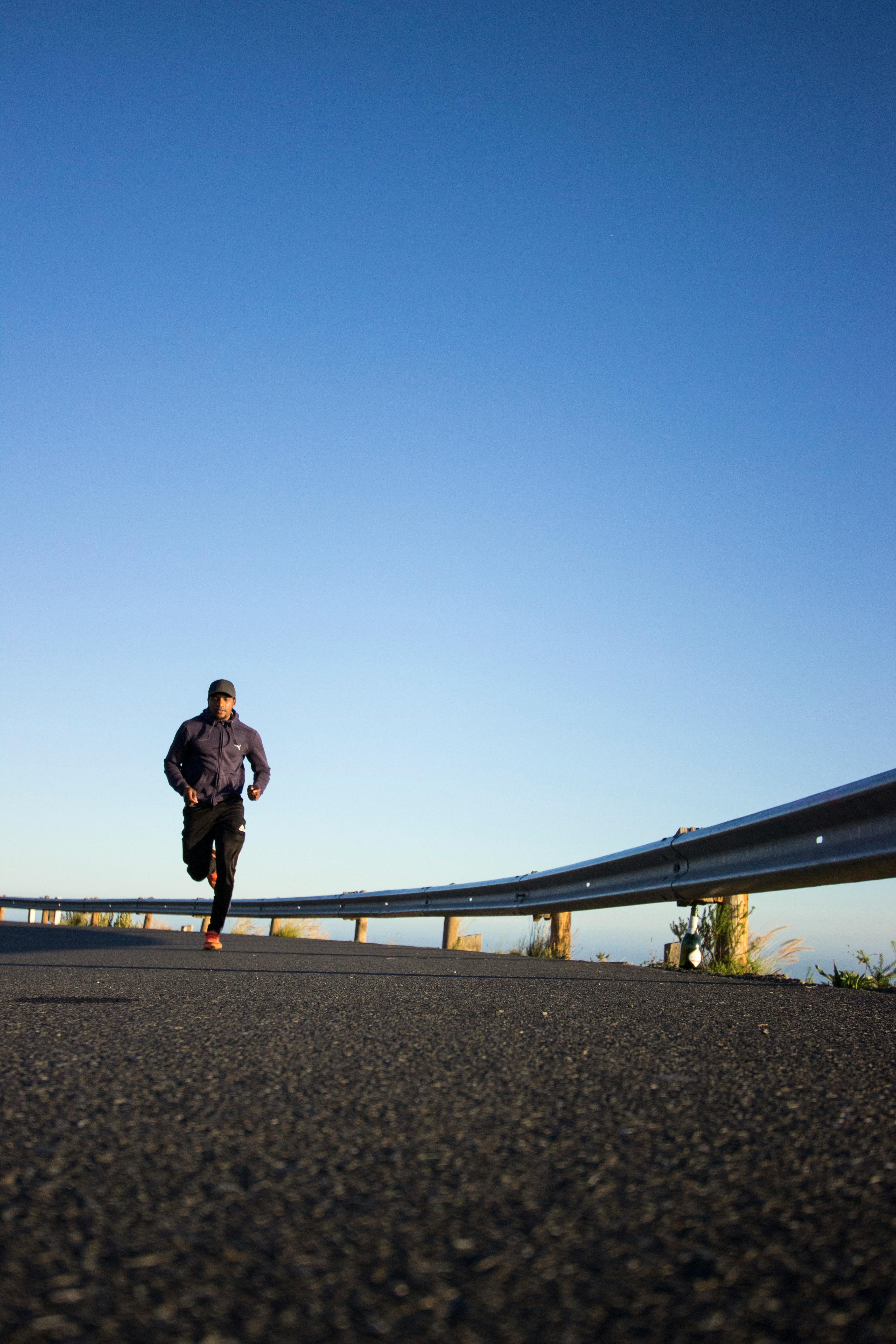 Movement is not just an outlet; it’s an essential part of regulating the nervous system. Humans evolved to move rhythmically throughout the day, walking, gathering, climbing, crafting, carrying, resting, and connecting. Physical activity was an everyday part of life. The body’s stress response was naturally balanced by recovery, and the nervous system stayed flexible. In contrast, modern lifestyles keep many people sedentary and disconnected from their natural rhythms. We experience constant mental stress without the movement that resolves it.
In The Human Mismatch Theory, I describe this as the gap between how our bodies evolved to live and how we live today. Our ancestors moved because movement was survival. They didn’t exercise, they lived in motion. Hunting, foraging, building, and travelling. They experienced bursts of physical exertion, followed by long periods of rest and connection. Their bodies released stress and replenished energy through movement. Today, we sit for hours, thinking, planning, and scrolling, while our bodies hold on to the same hormones meant to keep us alive.
When you experience anxiety, your body prepares to move, even if your conscious mind doesn’t realise it. The physical sensations of anxiety are your body saying, “I’m ready to act.” Exercise and physical movement help complete that cycle. When you move your body, you give your nervous system the closure it’s looking for. Your heart rate rises and then naturally lowers, your breathing deepens, and your muscles release stored tension. The brain receives clear feedback: the threat has passed.
Exercise and Brain Chemistry
 Movement also changes brain chemistry. Exercise increases the release of endorphins, the body’s natural mood boosters, as well as serotonin and dopamine, which help stabilise mood and regulate sleep. It improves blood flow to the brain, delivering oxygen and nutrients that support clarity and focus. These are the same systems that anxiety disrupts. By moving, you actively restore balance.
It doesn’t have to be intense. Gentle movement, for example walking, stretching, yoga and dancing, is more effective for calming anxiety than high-intensity workouts. The goal is not to burn calories, but to help your nervous system discharge energy and find rhythm. Even slow, mindful movement can signal safety to the brain.
Movement connects you to your body again. Anxiety often pulls you into your head, into worry, prediction, and overthinking. Physical activity reverses that pull. As you move, you bring attention to sensation: the rhythm of your breath, the feeling of your feet on the ground, the movement of air against your skin. These sensory anchors bring your brain back into the present, where calm lives.
Solving Anxiety Through Thinking
 Modern humans often try to solve anxiety through thinking, but the body must also participate. You can’t outthink a biological process; you must let the body do what it evolved to do. Movement is the missing piece in many approaches to anxiety relief. It’s the natural completion of the fight-or-flight cycle. The signal to the brain that it’s safe to return to calm.
When movement becomes part of daily life again, everything changes. The nervous system becomes more adaptable, the mind quieter, and the body more grounded. You don’t have to run marathons or lift heavy weights, just move. Walk, stretch, dance, garden, climb stairs, breathe deeply. Each movement helps your body release what it’s been holding.
Living in Rhythm
Humans evolved in rhythm with the earth. We are meant to chase, climb, rest, and recover. When we live in alignment with that rhythm, anxiety has less room to grow. Exercise is not a punishment or a prescription; it’s a reminder of what your body already knows. That safety lives in motion.
Movement doesn’t just reduce anxiety; it restores balance. It brings you back into connection with your body, your breath, and the world around you. Each step, stretch, or breath is a message to your brain: I am safe now. And that message, repeated again and again through movement, is how anxiety begins to loosen its grip.
 Welcome to my website, a space where I try to catch your eye, and explain the heart of my practice.
My journey over 17 years has taught me that true knowledge isn’t about the letters after my name or the timeline of my academic pursuits. It’s about the stories shared, the moments of vulnerability, and the human connection that transforms both you and me. It’s holding space, listening intently, and noticing the patterns within your words and emotions.
Together, we can navigate the complexities of life, embracing both the shadow and the light. So, if you’re seeking more than just a quick fix, and ready to make lasting changes, you’re in the right place. Let’s embark on this journey together. Click and read more about my approach here.