

Why does my body go into fight or flight when I try to sleep?
Your body goes into fight or flight at bedtime, because your nervous system interprets stillness as a signal to release the stress you held during the day. When your survival system remains active, lying down can feel unsafe. This triggers adrenaline, increases alertness, and makes it difficult for your body to enter the state needed for sleep.
Many people search fight or flight at bedtime when their body reacts strongly at the exact moment they expect rest. You may feel exhausted, but suddenly alert. Your heart may beat faster, your breathing may change, or your muscles may tense. You might feel a rush of energy or a sense of dread. It can feel confusing, frightening or unfair.
The short explanation is that your body is not trying to keep you awake. It is trying to protect you.
The deeper explanation is that your nervous system uses bedtime to reveal the tension it carried all day. When you become still, your system finally notices what it held beneath the surface. This activates fight or flight.
Why does stillness trigger fight or flight?
 Stillness feels safe only when your nervous system recognises safety. When your system has been active all day, the transition into quiet creates a sudden contrast. Your body finally has a chance to feel your internal state. If that internal state is tense, alert or unfinished, your system reacts.
This reaction is not psychological.
It is biological.
Evolution designed you an autonomic nervous system that interprets stillness as a moment to scan for danger. Your ancestors became still when the environment demanded attention. Stillness meant listening. Listening meant survival.
When you lie in bed today, your system may re-enact this ancient pattern.
Hypnosis helps your body learn that stillness is safe. You practise settling in manageable steps.
Why does my heart race when I try to sleep?
Your heart races because adrenaline is rising. Adrenaline is the hormone your body releases when it prepares for action. It does not discriminate between danger, stress, unresolved emotion or simple overwhelm. If your system carries tension from the day, adrenaline may rise at bedtime because it finally has space to surface.
This can feel like:
- heart pounding
- tight chest
- heat
- restlessness
- racing thoughts
- sudden alertness
Your body believes it needs to protect you.
In hypnosis, we work with the part of you that goes into defence. You learn how to settle it rather than fight it.
Why do thoughts become more intense at night?
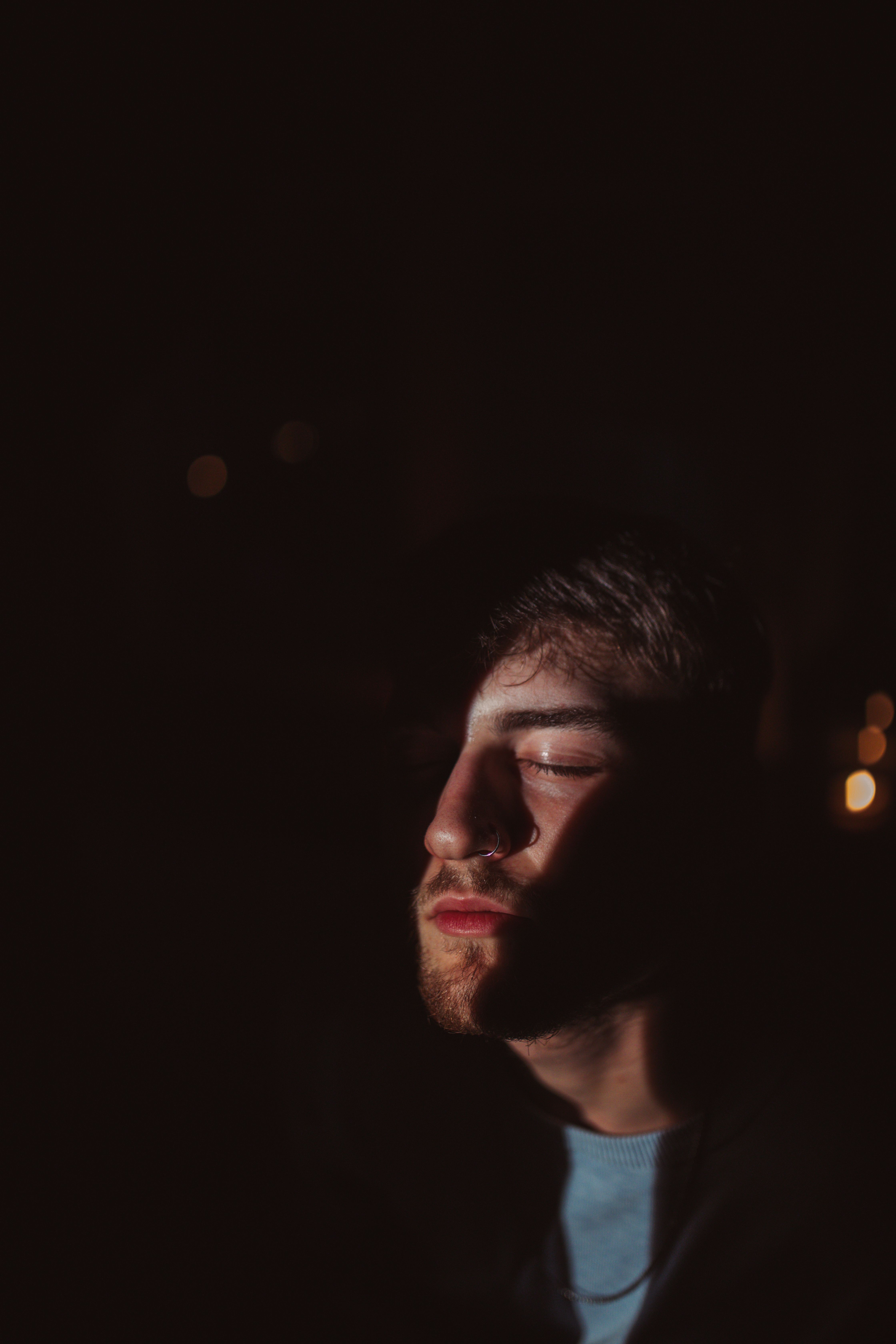 Thoughts become more intense at bedtime because your thinking brain rests and your emotional brain becomes more active. During the day, your prefrontal cortex helps you organise, rationalise and manage your emotional world. At night, this system quietens, and the limbic system takes the lead. The limbic system focuses on protecting you.
This is why:
Small concerns appear larger at night.
Your mind jumps to worst-case scenarios.
And your body reacts as if danger is present.
Your system is not malfunctioning. It is interpreting your internal state without the filters that guide you in the day.
Hypnosis supports the limbic system by giving it a safe, steady rhythm.
We explore this together in sessions at your pace.
Why does my past show up when I lie down?
When you lie down, your system transitions from activity into processing. Emotional material that did not fit into your day now appears. If your past includes stressful, overwhelming or unpredictable experiences, your body may interpret bedtime as the moment to release what was held.
Your body is not trying to distress you.
It is trying to regulate.
This is why memories, sensations or old emotional patterns can surface at night. They rise because your system finally has space.
In hypnosis, we help your body process these patterns gradually. You learn how to meet your past experiences safely.
Why does my body think I am in danger when I know I am safe?
Fight or flight is not a cognitive process. It lives in the body, not in the mind. You can know you are safe and still feel unsafe.
Your survival brain does not respond to logic. It responds to:
- sensation
- rhythm
- breath
- light
- connection
- movement
- internal cues
If your internal cues feel unsettled, your survival system reacts.
My Mismatch Theory helps explain this. Your body evolved to respond to physical dangers. Today, it must respond to emotional demands, screens, deadlines, loneliness and overwhelm. These modern stressors activate ancient systems.
Hypnosis helps your system relearn safety. You practise building new cues.
We explore this gently together.
Why does my body wake me just as I am drifting off?
 Many people wake suddenly as they begin to fall asleep. This can feel like:
- a jolt
- a rush
- a surge
- a falling sensation
- a sudden gasp
This reaction happens when your system shifts between wake and sleep, but feels unsure about letting go. Your survival brain notices the drop in muscle tone and interprets it as a loss of control.
This is a protective reflex.
Your body is checking for danger.
It is normal, but exhausting.
Hypnosis guides your body through these transitions, so they feel familiar rather than threatening.
Why do stress and overwhelm trigger fight or flight at bedtime?
Stress activates your sympathetic nervous system. If your day included:
- pressure
- conflict
- multitasking
- responsibility
- emotional labour
- loneliness
- performance
- decision fatigue
Your body stays in a mild state of readiness. When you lie down, your system does not recognise the shift into rest. It believes it must stay alert.
This alertness reveals itself as:
- tension
- overthinking
- adrenaline
- restless legs
- hot flashes
- digestive discomfort
- a busy chest
Your body cannot sleep in this state, because sleep requires a sense of safety.
In hypnosis, we help your system complete the stress cycle, so bedtime no longer triggers fight or flight.
How do the four pillars of The Human Mismatch Theory help my body settle?
Your four pillars are biological cues that guide your nervous system away from fight or flight.
Sleep
Predictable wind-down routines create a sense of internal safety.
Movement
Movement completes stress cycles and lowers sympathetic activation.
Nourishment
Stable nourishment supports blood sugar and prevents adrenaline spikes.
Connection
Co-regulation supports the limbic system. Connection signals safety.
Why do loneliness and bedtime feel linked?
 Humans evolved to sleep with others. Sleeping alone is new for your biology. Even if you feel independent, your nervous system expects co-regulation. Without it, your system may stay more alert, especially during transitions into rest.
This alertness can feel like:
- restlessness
- hypervigilance
- emotional noise
- tension in the chest
- difficulty letting go
This is not personal failure. It is an evolutionary mismatch.
In hypnosis, we help your body find internal cues of safety even when you have limited external connection.
Why does my system resist relaxation techniques?
Your system resists relaxation when relaxation feels unfamiliar. If your nervous system has operated in alert for a long time, relaxation may feel unsafe. The moment your body softens, your survival brain becomes louder. This is a protective reflex, not resistance.
Hypnosis works with the part of you that fears softening. You learn how to relax without losing your sense of control.
How hypnosis helps when your body goes into fight or flight at bedtime
Hypnosis helps by guiding your system into a predictable state. Fight or flight relies on unpredictability. Hypnosis uses rhythm. You move gradually, build trust with your internal signals and learn how to:
- release tension
- soften alertness
- meet intrusive sensations with safety
- complete the stress cycle
- guide your nervous system into rest
- feel more in control of transitions
Hypnosis does not override your system. It teaches your system how to shift.
You choose the pace, frequency and depth. There is no pressure or commitment. You remain in full control.
FAQ
Why does my body go into fight or flight at bedtime?
Because your nervous system senses unfinished stress or does not yet recognise stillness as safe.
Why do I feel alert when I want to sleep?
Your survival brain becomes louder at bedtime when the thinking brain quietens. This creates a surge of alertness.
Can hypnosis help reduce fight or flight at night?
Yes. Hypnosis supports the system beneath your thoughts. You learn how to settle your nervous system and soften the transition into sleep.
If bedtime makes your body feel on high alert
If your system feels activated the moment you try to sleep, your body is asking for safety and rhythm. This is not your fault. It is physiology and pattern.
You are welcome to bring this into a free one hour consultation. We can explore what your body needs and how to help it settle at your pace.
 Welcome to my website, a space where I try to catch your eye, and explain the heart of my practice.
My journey over 17 years has taught me that true knowledge isn’t about the letters after my name or the timeline of my academic pursuits. It’s about the stories shared, the moments of vulnerability, and the human connection that transforms both you and me. It’s holding space, listening intently, and noticing the patterns within your words and emotions.
Together, we can navigate the complexities of life, embracing both the shadow and the light. So, if you’re seeking more than just a quick fix, and ready to make lasting changes, you’re in the right place. Let’s embark on this journey together. Click and read more about my approach here.