

How do screens affect my sleep and nervous system?
Screens affect sleep by sending bright light into your eyes that tells your brain it is daytime. This delays melatonin, keeps your nervous system alert, and shifts your circadian rhythm forward. Screens also stimulate the emotional brain, making it harder for your system to settle into the state your body needs for rest.
How do screens affect my sleep and nervous system?
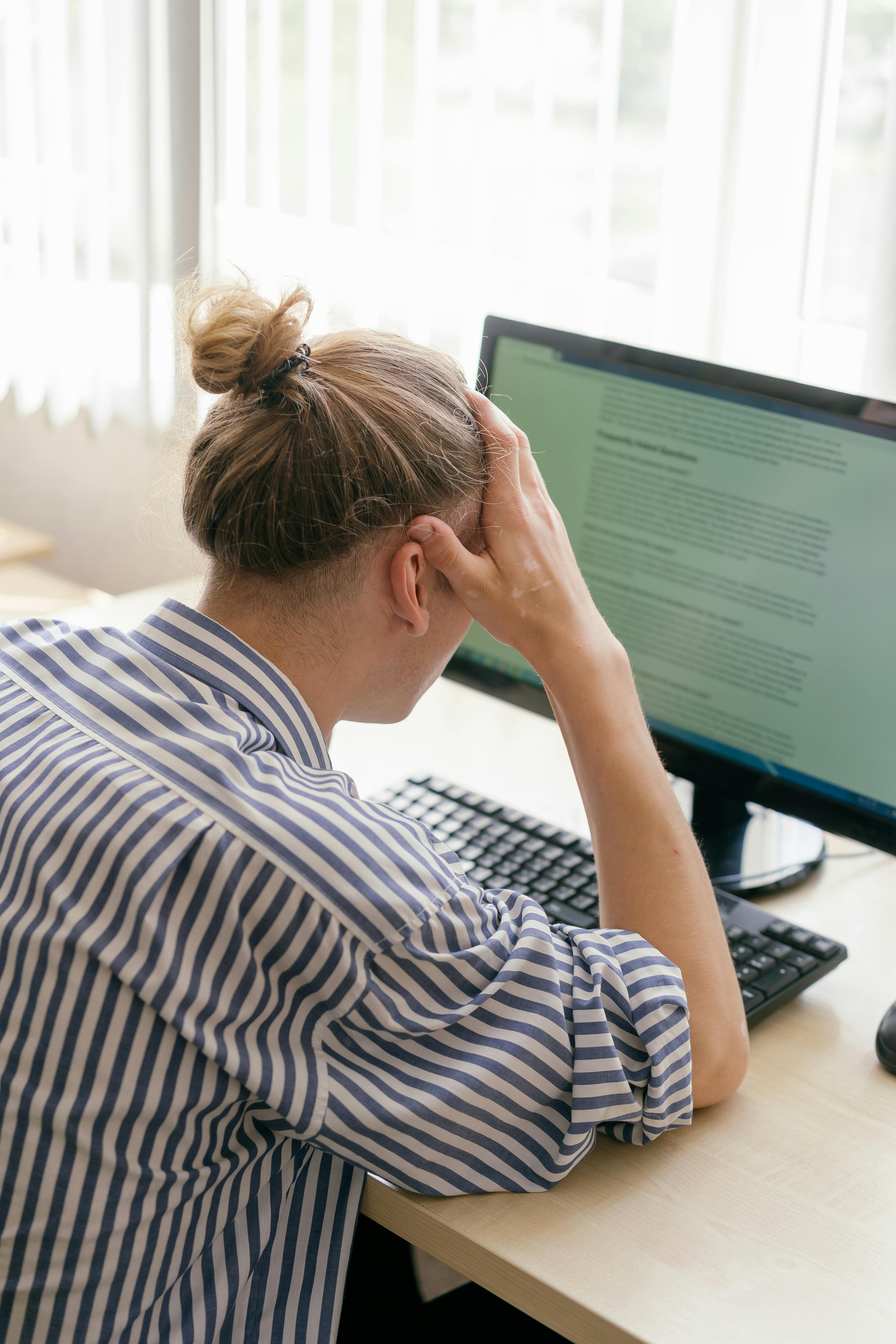
Many people search how screens affect sleep because they feel tired at night, yet find themselves scrolling, watching TV or working long after they meant to switch off. You might notice that you sleep more lightly after evening screen time, wake more easily during the night, or feel wired even when you are exhausted. You might wonder why looking at a screen can feel harmless in the moment, yet affect your sleep later.
In short, evening screen use can interfere with the light-based rhythms that help regulate sleep and wakefulness.
The deeper explanation involves your circadian rhythm, nervous system and emotional processing. Humans evolved with bright natural light during the day and darkness at night. Artificial light from phones, tablets, computers and televisions can extend the period of light your brain receives into the evening. Screen use can also keep your brain engaged at a time when your body needs the conditions that support winding down.
From the perspective of human biology and evolution, this creates a mismatch: your body receives light and stimulation at a time when it needs increasing darkness and fewer demands on its attention.
Why does screen light keep me awake?
Screen light can keep you awake, because your eyes send information about light directly to the part of your brain that helps control your circadian rhythm. This area, called the suprachiasmatic nucleus (SCN), uses light as an important signal for regulating your sleep-wake cycle.
When light from phones, tablets and other screens enters your eyes in the evening, your brain continues to receive a daytime signal. Blue-enriched light, which screens emit, has a particularly strong effect on the circadian system, because the light-sensitive cells involved in regulating your body clock respond strongly to shorter wavelengths of light.
Evening light exposure can delay the release of melatonin, one of the hormones involved in preparing your body for sleep. A delay in melatonin production can move your natural sleepy period later, leaving your body more alert into the evening. The effect depends on factors including the brightness of the screen and how long you use it.
Screen use also involves more than light. What you are watching, reading or responding to can maintain mental and emotional arousal, which can make the transition towards sleep more difficult.
In my hypnotherapy sessions, we often work with predictable evening rhythms that give the brain consistent cues that the day is coming to an end, and support the body’s natural transition towards sleep.
How do screens stimulate my nervous system?
Screens can stimulate your nervous system because they provide a continuous stream of changing and often unpredictable information. Notifications and messages can repeatedly capture your attention, while scrolling exposes your brain to rapidly changing content that it continually has to process.
Your brain assesses what you see for relevance and emotional significance. Some content can also trigger a stronger emotional or physiological response, particularly when it feels important, exciting or threatening. This ongoing processing can maintain nervous system arousal and make it harder for your body to move towards the lower level of alertness that supports sleep.
Screen use can therefore affect more than your response to light. It can influence the brain systems involved in attention, emotion and arousal. The limbic system forms part of this wider network and plays an important role in emotional processing. Engaging or emotionally charged screen content can maintain activity in these systems during the period when you are preparing for sleep.
In hypnotherapy, I use focused attention and predictable patterns to help reduce mental stimulation and support the shift towards a calmer physiological state. When we repeat these patterns regularly, they can also become familiar cues that help your body recognise that you are preparing for sleep.
Why do I feel wired after evening screen time?
You may feel wired after evening screen time, because what you see and interact with can keep your brain emotionally and mentally engaged. Content that feels urgent, worrying or personally important can increase nervous system arousal and activate physiological processes that help you remain alert and ready to respond.
This means the effect depends partly on what you are doing on your screen. Anxiety-inducing doom scrolling, for example, is more likely to activate a threat response than watching a video of a cuddly kitten. Reading a stressful work email can also create a very different physiological response from looking through familiar photographs.
News stories that concern you or social media content that repeatedly captures your attention can maintain alertness into the evening. Messages can create anticipation, while fast-paced entertainment can continue to demand attention. Your nervous system responds to the meaning of the information, as well as the screen displaying it.
When your brain interprets something as important or threatening, your body prepares you to respond. This physiological arousal can make the transition towards sleep more difficult, because the processes supporting alertness remain active as you approach bedtime.
In hypnotherapy sessions, we work with attention and physiological arousal to help your body become familiar with the transition from evening stimulation towards sleep. Over time, predictable evening patterns can provide cues that support this shift.
Why does scrolling feel relaxing even when it disrupts my sleep?
Scrolling can feel relaxing, because it requires very little physical effort and gives your attention an easy place to go. You can lay still, stop dealing with the demands around you and allow the stream of content to hold your attention for a while. This can create a genuine feeling of relief, particularly at the end of a demanding day.
At the same time, your brain continues to process what appears on the screen. Each new image, caption or comment gives your attention something new to assess. The unpredictable nature of scrolling can engage the brain’s reward and attention systems, while emotionally significant content can influence nervous system arousal.
This continual novelty helps explain why scrolling can become so absorbing. You do not know exactly what the next swipe will reveal, and that uncertainty can encourage you to keep going. As bedtime moves later the combination of evening light exposure and ongoing mental stimulation can interfere with the processes that normally prepare you for sleep.
You may therefore reach the point where you feel exhausted after scrolling for much longer than you intended, while your brain still needs time to settle before sleep comes easily.
In hypnotherapy sessions, we work on creating conditions that help your attention become less dependent on continual stimulation. This can help your body feel more familiar with quieter forms of evening rest and the gradual transition towards sleep.
How do screens shift my circadian rhythm?
 Screens shift your circadian rhythm by confusing your internal sense of time. Circadian rhythm relies on:
- morning brightness
- evening darkness
- movement during daylight
- regular nourishment
- connection patterns
Screens override these cues. Evening light from screens signals daytime. Early-morning screen use signals artificial light instead of natural brightness. This creates misalignment.
When your rhythm shifts forward your:
- sleepy window arrives late
- wake signal arrives late
- energy feels inconsistent
- emotional load feels heavier
- night-time alertness increases
Why do screens increase anxiety at bedtime?
Screens increase anxiety because the content activates your emotional brain. Even neutral content is unpredictable. Your nervous system must stay slightly alert to process new information. This alertness feels like:
- restlessness
- worry
- irritation
- racing thoughts
- tightness in the chest
- difficulty letting go
When your emotional brain becomes active, sleep becomes harder.
Many people believe anxiety arrives from nowhere at night. Often, it builds silently through evening stimulation.
Hypnosis helps you learn the internal cues that guide the transition into rest. You learn how to support your emotional brain earlier in the evening.
Why does my mind feel busier after screen time?
Your mind feels busier because your brain has not had space to process your day. Screens fill the quiet moments your system needs for integration. When you finally stop, your mind releases everything it absorbed.
Scrolling delays emotional processing.
Processing then happens at bedtime.
Bedtime becomes noisy internally.
This creates a loop:
Busy day → screens → no processing → busy night → disrupted sleep.
In hypnosis, we create moments of internal integration, so your mind does not carry everything into the night.
How do screens influence my dreams and night waking?
Evening screen use can influence the conditions surrounding your sleep, particularly when the content you consume feels emotionally intense or personally significant. During sleep, your brain continues to process recent experiences and memories, and elements of waking life can sometimes appear in dreams.
This means an intense television programme, upsetting news story or emotionally charged social media interaction may find its way into your dreams. REM sleep, the stage most strongly associated with vivid dreaming, involves considerable activity in brain networks involved in emotion and memory.
Screen time before bed can also affect night waking indirectly. Evening light exposure can alter the timing of your circadian rhythm, while stimulating or emotionally significant content can maintain arousal as you approach bedtime. Both can influence sleep quality and how easily you settle into sleep.
If you wake during the night, your level of arousal can also affect how quickly you return to sleep. A brain that has spent the evening responding to emotionally engaging information may need time and consistent cues to settle.
In hypnotherapy sessions, we work with the patterns of attention and arousal that surround sleep. I help clients develop predictable ways of settling before bed and responding to night waking, so the transition back towards sleep can become more familiar.
How do the four pillars of The Human Mismatch Theory help reduce screen impact?
Your four pillars create the structure your nervous system needs.
Sleep
Clear evening rhythms signal night.
Screens disrupt this.
Predictability restores it.
Movement
Movement throughout the day reduces tension and lowers the need for evening stimulation.
Nourishment
Stable nourishment prevents blood sugar dips that amplify screen-driven anxiety.
Connection
Co-regulation lowers the emotional pull of screens.
Connection tells your nervous system it is safe.
These pillars create the biological conditions for sleep.
How can I support my nervous system when I use screens at night?
You do not need to remove screens entirely. You need rhythm and boundaries.
Supportive options include:
Dim the brightness
Lowering screen light reduces the circadian impact.
Create an evening cut-off time
Your nervous system needs a buffer between stimulation and rest.
Choose calmer content
Your emotional brain reacts differently to soothing input.
Move before bed
Gentle stretching or walking helps release tension built from scrolling.
Use transitional rituals
A cup of tea, dim light or breathing exercise signals safety.
How hypnosis helps when screens disrupt sleep
Hypnosis does not require screen-free evenings. It helps your nervous system become less reactive to stimulation. You learn how to:
- soften internal alertness
- support your circadian rhythm
- release evening overstimulation
- process emotional load earlier
- transition into rest
- reduce night waking
- create felt safety
Hypnosis builds internal rhythm. Rhythm supports sleep.
You choose the pace, frequency and depth. There is no pressure or commitment. You stay in full control.
FAQ
How do screens affect sleep?
Screens delay melatonin, raise alertness, and shift your circadian rhythm forward. This makes it harder to fall and stay asleep.
Does screen time cause anxiety at night?
It can. Screens stimulate your emotional brain, which increases alertness and nervous system activation.
Can hypnosis help reduce screen-related sleep problems?
Yes. Hypnosis supports the system beneath stimulation. You learn how to settle even when your evening involves screens.
If screens make your nights feel restless
If screen time affects your sleep or your nervous system feels overstimulated at night, your body is asking for rhythm, boundaries and safety. This is not your fault. It is physiology and mismatch.
You are welcome to bring this into a free one hour consultation. We can explore what your nervous system needs and how to support your evenings at your pace.
 Welcome to my website, a space where I try to catch your eye, and explain the heart of my practice.
My journey over 17 years has taught me that true knowledge isn’t about the letters after my name or the timeline of my academic pursuits. It’s about the stories shared, the moments of vulnerability, and the human connection that transforms both you and me. It’s holding space, listening intently, and noticing the patterns within your words and emotions.
Together, we can navigate the complexities of life, embracing both the shadow and the light. So, if you’re seeking more than just a quick fix, and ready to make lasting changes, you’re in the right place. Let’s embark on this journey together. Click and read more about my approach here.