

Why Does Life Feel Empty Without My Addiction?
Many people feel surprised by the sense of emptiness that can appear after an addiction stops. Despite causing difficulties, it occupied time, provided a sense of familiarity, offered moments of relief, and routine. When it is no longer there, many people become aware of the unmet needs they numbed through the addiction. Understanding those needs is an important part of recovery.
When life feels different after addiction
 Many people imagine that stopping an addictive behaviour will immediately bring a sense of relief. While that certainly happens for some, others find themselves facing a different experience.
Days can feel longer than expected. Activities that once seemed engaging may feel less interesting. Some people notice a lack of motivation, while others describe a feeling that something is missing without being able to identify exactly what it is.
This can be confusing, particularly when a great deal of effort has gone into making the change. Questions often arise about whether something is wrong or whether the addiction provided something they cannot replaced.
From my perspective, these experiences are worth paying attention to, because they can tell us something important about the role the addiction played in your life.
The role addiction played
We discuss addiction in terms of substances or behaviours, but the experience usually reaches further than that.
For some people, it becomes part of the structure of the day. You link it to particular times, places, or routines. Sometimes it provides a familiar response to stress, loneliness, uncertainty, or exhaustion.
Sometimes clients tell me that they didn’t realise how much of their time revolved around the behaviour until it was gone. Others describe feeling unsure about how to spend their evenings or weekends without it.
These reactions provide clues about what is missing elsewhere. Addictions tend to revolve around to social contact, rest, stimulation, comfort, or simply predictability within the day.
Understanding this moves the conversation away from the addiction itself and towards the needs that you numbed with it.
Looking beneath the feeling of emptiness
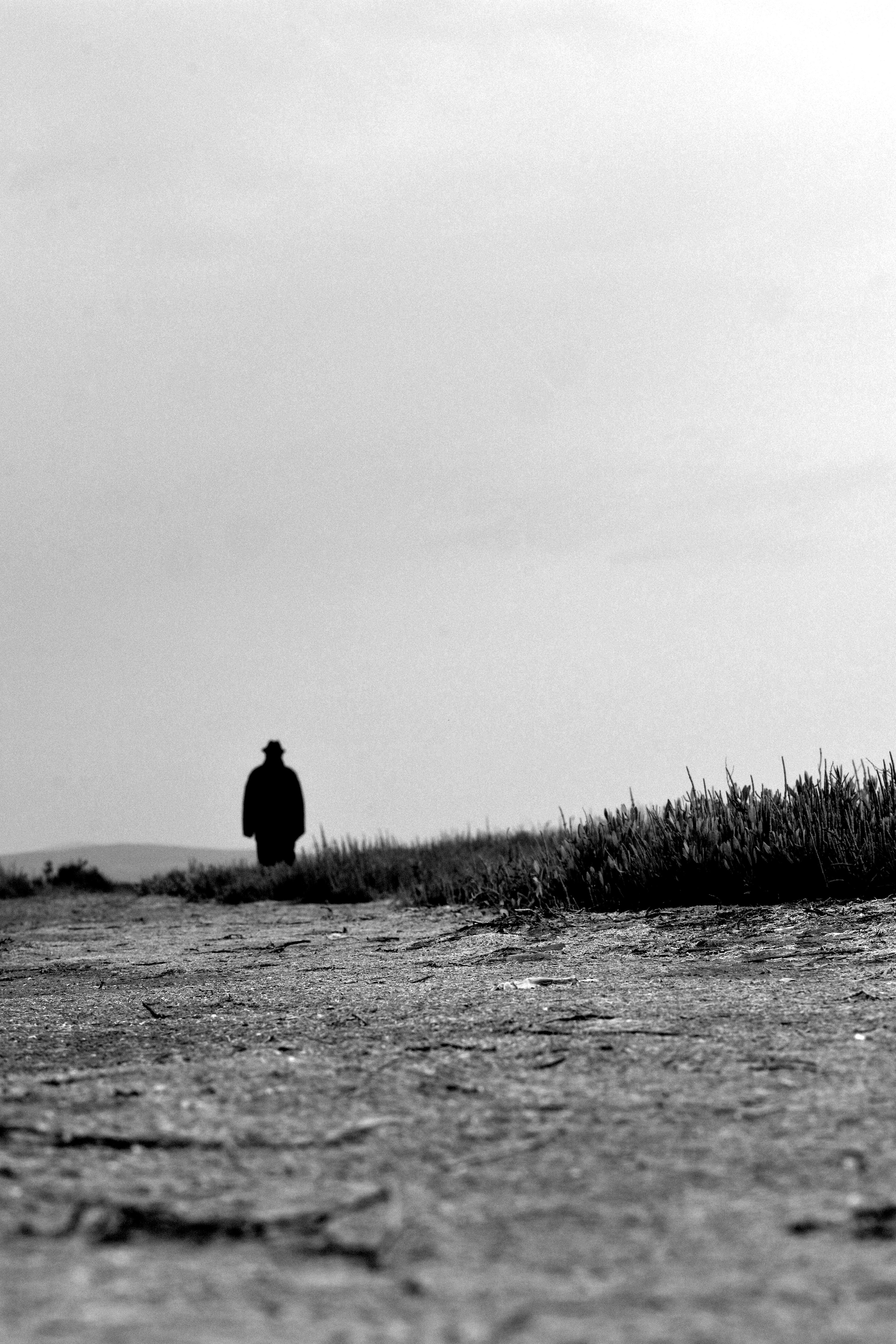 The word “emptiness” can describe a range of experiences.
For one person, it may feel like disconnection. For another, it may feel like a lack of direction. Some people describe a sense of emotional flatness, while others notice that activities they previously enjoyed no longer seem appealing.
Because the experience differs from person to person, I find it helpful to become curious about what the feeling is actually like, rather than assuming it means the same thing for everyone.
Questions such as:
- When do you notice it most?
- What is happening around you when it appears?
- What sensations do you notice in your body?
- Are there moments when it eases?
can begin to build a clearer picture of what is going on.
A Human Mismatch Theory perspective
Within my Human Mismatch Theory, we can understand many modern struggles through the relationship between human biology and the environments we now live in.
For most of human history, daily life involved regular movement, close social contact, shared responsibilities, and strong rhythms shaped by nature and community life. These experiences influenced how people spent their time and how they related to one another.
Many people today spend large parts of the day alone, seated, indoors, and interacting with screens. We have limited (face-to-face) social contact, inconsistent routines, and opportunities for meaningful contribution are not always obvious.
When viewed through this lens, the feeling of emptiness that appears after addiction can sometimes highlight areas of life that you neglect. Is addiction a way to hide, suppress or compensate for needs that you struggle to meet in other ways?
 Why replacing the addiction is not always enough
It is understandable to look for something else to fill the gap.
People often throw themselves into work, hobbies, exercise, or other pursuits. Some of these can be genuinely helpful. However, when the underlying needs remain unexplored, the sense of emptiness may continue despite the new activity.
This is one reason why recovery is about more than removing a behaviour. It can involve consciously choosing how you organise your daily life, how you manage stress, how your relationships function, and what gives you meaning.
How hypnotherapy can help
Hypnotherapy can provide an opportunity to explore these experiences in a calm and focused way.
Rather than concentrating solely on the addiction, sessions help uncover the patterns, needs, emotions, and expectations that sit beneath it. Many people discover that the feeling they initially described as emptiness connects to experiences that have not had much space or attention for a long time.
The process is collaborative and moves at a pace that feels comfortable for you. There is no expectation to force insights or revisit experiences before you are ready.
I offer a free initial consultation where we can discuss what you are experiencing and whether hypnotherapy feels like the right fit for you.
What recovery often involves
Over time, many people develop new ways of meeting their needs.
This might involve strengthening relationships, creating more structure within the day, improving sleep, spending more time outdoors, engaging in meaningful activities, or finding healthier ways of responding to stress.
The process tends to unfold gradually. As life becomes richer in the areas that matter most, the sense of emptiness often becomes less dominant.
If life feels empty without your addiction
If you are asking yourself, “Why does life feel empty without my addiction?”, you are not alone.
Many people discover that stopping the addiction is only one part of the journey. The next stage often involves understanding what the addiction represents, and what your mind and body may need moving forward.
If you would like support exploring this, hypnotherapy can provide a space to make sense of what you are experiencing and begin building a life that feels more satisfying and sustainable over the long term.
 Welcome to my website, a space where I try to catch your eye, and explain the heart of my practice.
My journey over 17 years has taught me that true knowledge isn’t about the letters after my name or the timeline of my academic pursuits. It’s about the stories shared, the moments of vulnerability, and the human connection that transforms both you and me. It’s holding space, listening intently, and noticing the patterns within your words and emotions.
Together, we can navigate the complexities of life, embracing both the shadow and the light. So, if you’re seeking more than just a quick fix, and ready to make lasting changes, you’re in the right place. Let’s embark on this journey together. Click and read more about my approach here.