

How does the circadian rhythm actually work?
Your circadian rhythm is the internal timing system that tells your body when to feel awake and when to feel sleepy. It responds to light, movement, nourishment and connection. Morning light switches on your wake systems, and evening darkness guides your body into rest. When these cues drift, your sleep rhythm drifts with them.
Many people feel tired at the wrong times, wired at bedtime or unable to wake refreshed. You might sense your sleep feels out of sync, but you may not know why. Understanding how the circadian rhythm works helps you see why your body behaves the way it does, and what it needs to feel balanced again.
The short explanation is that your circadian rhythm follows the sun.
The deeper explanation is that your body uses patterns far older than modern life. These patterns shape your hormones, energy, mood, digestion and sleep. They influence how safe your nervous system feels. They are the foundation of your internal rhythm.
What is the circadian rhythm?
 Your circadian rhythm is your internal clock. It regulates your 24-hour cycle of wake and sleep. This rhythm evolved so your body could predict the environment. Before clocks, alarms and screens, humans aligned themselves with daylight. Your biology still expects this alignment.
The circadian rhythm controls:
- cortisol in the morning
- melatonin in the evening
- body temperature
- digestion
- alertness
- emotional regulation
- attention and focus
Your body does not choose these patterns. It follows them.
Understanding this gives you more clarity and less blame. It isn’t a personal flaw that makes you feel tired, it’s because your internal clock is receiving mixed cues.
In hypnosis, we support the system so it can follow its rhythm more easily.
We explore this together at your pace.
How does light control the circadian rhythm?
Light is the strongest circadian signal your body receives. When your eyes see bright morning light, even through clouds or your eyelids, your brain switches on your wake systems. Cortisol rises naturally. Your body temperature increases. Your metabolism begins its daytime rhythm. This prepares you for movement, connection and nourishment.
Evening darkness has the opposite effect. When the light fades, your brain increases melatonin. This hormone guides your body into rest. Your temperature drops, digestion slows and your mind becomes quieter.
Light shapes your rhythm more than willpower ever could.
This is why screens affect sleep so strongly. Artificial light tells your body it is still daytime long after the sun has set. Your circadian rhythm shifts forward, and sleep becomes harder.
Why does modern life confuse the circadian rhythm?
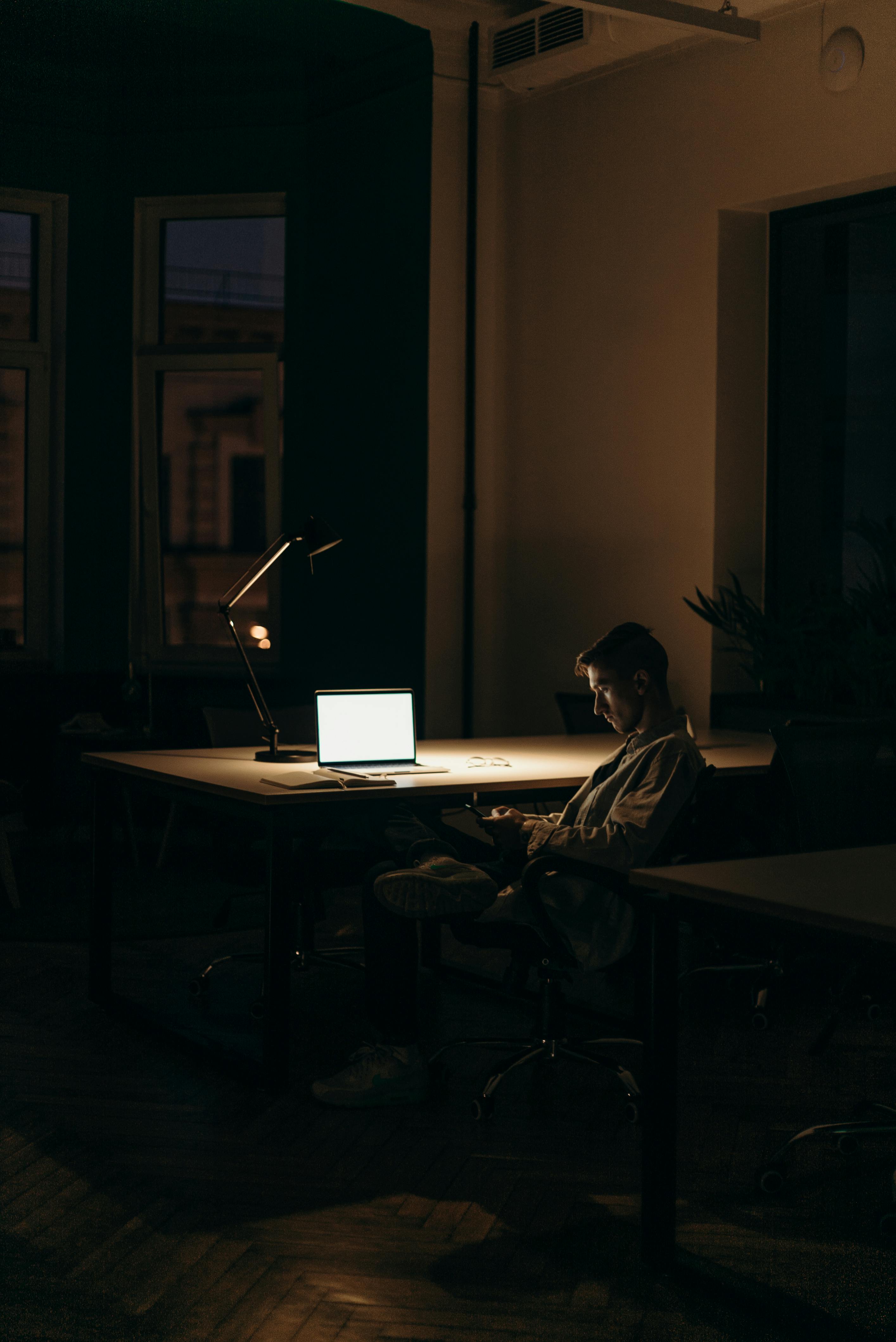 Your circadian rhythm evolved for environments without artificial light or constant stimulation. Modern life introduces cues your body struggles to interpret.
Evening light
LED bulbs and screens tell your brain it is daytime.
Irregular movement
Your ancestors moved throughout the day. Movement is a circadian cue. Without it, your rhythm drifts.
Late meals
Eating late keeps your digestive system alert and delays melatonin.
Reduced connection
Humans once ended the day in groups. Co-regulation signalled safety. Today, many evenings are solitary or screen-based.
Chronic stress
Stress raises cortisol into the evening. Cortisol delays the sleep window.
This mismatch leaves your rhythm without reliable anchors.
Hypnosis supports the nervous system beneath this mismatch. You learn how to guide your rhythm from the inside out.
We explore this at your pace in sessions.
How does the circadian rhythm affect my energy levels?
Your circadian rhythm shapes every rise and fall in your energy. You may feel:
- wide awake late at night
- sluggish in the morning
- low in the early afternoon
- alert at the wrong time
These patterns are not random. They reflect the signals your internal clock receives. If…
you delay morning light, you also delay your morning alertness.
your evenings are busy or bright, you delay your melatonin rise.
your rhythm drifts forward repeatedly, your tiredness arrives later and later.
You may describe yourself as a “night owl”. In reality, you are following the signals your body has been given.
Hypnosis helps your system reconnect to an internal sense of timing. It becomes easier to follow your natural rhythm.
How does the circadian rhythm connect to sleep?
 Sleep is a circadian event. Your sleepy window appears when melatonin and body temperature fall. This window is predictable when your cues are predictable. When your cues drift, your sleepy window becomes irregular.
Your circadian rhythm prepares your body for sleep long before you feel tired. It guides when you…
- digest
- release hormones
- produce heat
- and when your brain shifts toward rest
If you disrupt your rhythm, you also disrupt your sleep. You may feel exhausted during the day and alert when you want rest, fall asleep quickly, but wake early or struggle to stay asleep. These patterns reflect circadian drift, not personal failure.
We explore how to create rhythm gently in sessions.
How does the circadian rhythm influence anxiety and mood?
Your emotional patterns follow your circadian patterns. Your brain expects the morning to bring alertness and clarity. When your rhythm is late, your mood often feels flat or heavy early in the day.
Later, when your system should be moving toward rest, your alertness rises. This can make emotional experiences feel stronger in the evening. Many clients describe this sensation as anxiety, irritability or overthinking.
This is not psychological weakness. It is circadian physiology.
When your rhythm stabilises, your mood stabilises. Your emotional load becomes lighter. You feel clearer. You feel more resilient, because your biology supports your regulation.
Hypnosis supports this by helping your nervous system return to an internal sense of safety. Safety allows rhythm to return.
How do the four pillars regulate my circadian rhythm?
The four pillars of my Human Mismatch Theory create the biological foundation your rhythm needs.
 Sleep
A consistent sleep and wake time strengthens your circadian clock.
Movement
Movement is a daytime cue. It tells your body you are safe and active. It leads naturally into rest.
Nourishment
Regular nourishment supports metabolic rhythms. Stable blood sugar helps your sleep.
Connection
Connection signals safety. Safety is the condition your nervous system needs to follow the circadian rhythm.
These pillars build the structure trance relies on. Hypnosis becomes smoother when your rhythm is steady.
We weave these pillars into sessions in a way that fits your life.
How does my nervous system interact with my circadian rhythm?
Your circadian rhythm and your nervous system work together. Your nervous system follows cues of safety and danger and our circadian rhythm follows cues of light and rhythm. When the cues do not match, your system becomes confused. If…
your nervous system feels alert, your circadian rhythm delays rest.
your circadian rhythm drifts late, your nervous system stays alert through the evening.
you wake often at night, your nervous system keeps you light and cautious.
This is why sleep, stress and safety are inseparable.
This is why hypnosis supports sleep, even though it is not a sleep therapy.
Hypnosis supports the system beneath sleep.
We explore this gently together at your pace.
How hypnosis helps regulate the circadian rhythm
 Hypnosis helps because it works with the part of you that holds rhythm. When you enter hypnosis, your body softens into a predictable pattern of attention and relaxation. This mirrors the natural transitions between day and night.
Hypnosis helps:
- lower evening alertness
- complete stress cycles
- strengthen the sense of internal predictability
- increase trance receptivity
- soften the emotional brain
- support the body’s natural timing system
You choose the pace, depth and frequency. There is no pressure or commitment. You remain in full control.
FAQ
How does the circadian rhythm work?
It works through light, movement, nourishment and connection. These cues guide your internal 24-hour clock and influence when you feel awake and when you feel tired.
Why does circadian drift happen?
It happens when your body receives late or irregular cues. Evening light, late meals, low movement and stress all shift your rhythm forward.
Can hypnosis help my circadian rhythm?
Yes. Hypnosis supports the nervous system beneath your rhythm. When your system feels safe, your rhythm returns more easily.
If your rhythm feels out of sync
If you feel tired at the wrong times or awake when you want rest, your circadian rhythm is asking for support. This is not your fault. It is physiology and rhythm.
You are welcome to bring this into a free one hour consultation. We can explore what your body needs and how to help your rhythm return at your pace.
 Welcome to my website, a space where I try to catch your eye, and explain the heart of my practice.
My journey over 17 years has taught me that true knowledge isn’t about the letters after my name or the timeline of my academic pursuits. It’s about the stories shared, the moments of vulnerability, and the human connection that transforms both you and me. It’s holding space, listening intently, and noticing the patterns within your words and emotions.
Together, we can navigate the complexities of life, embracing both the shadow and the light. So, if you’re seeking more than just a quick fix, and ready to make lasting changes, you’re in the right place. Let’s embark on this journey together. Click and read more about my approach here.