

How Can I Stop Overthinking and Calm My Anxiety?
Overthinking is your brain’s attempt to stay safe by predicting what might go wrong. Calm begins when you bring your attention back to “what is” instead of “what if.” Grounding, breathing, and thanking your brain for protecting you all help restore balance between thought and safety so you can stop overthinking.
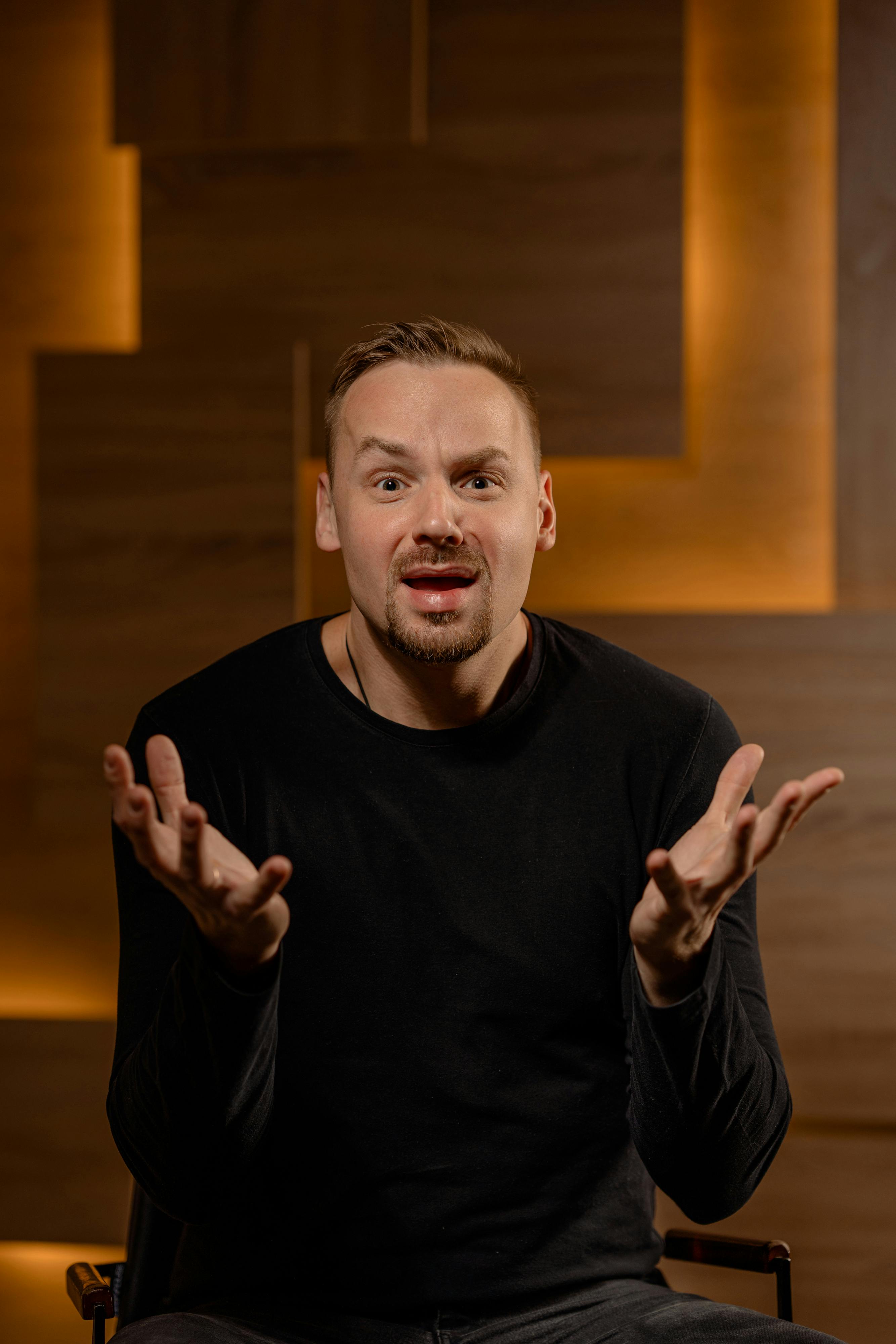 Anxiety thrives in uncertainty. It’s the mind’s way of preparing for every possible outcome, scanning the horizon for threats that might never appear. When your brain starts asking endless “what if” questions, it’s trying to keep you safe. The problem is, it doesn’t realise that safety doesn’t come from anticipating danger, it comes from feeling secure in the present.
Anxiety is about prediction. The human brain is a pattern-recognising machine. It evolved to recognise when our survival is at threat long before the threat arrives, a survival strategy that kept our ancestors alive in a world full of real threats. But modern life presents different dangers: emotional rejection, social pressure, uncertainty about the future. The brain’s ancient mechanisms don’t know the difference. It still reacts as though every worry is life-threatening.
When your amygdala senses a potential threat, it activates the fight-or-flight response, releasing adrenaline and cortisol to prepare your body for action. Your heart races, your breathing quickens, and your thoughts speed up. You might notice your mind running through scenarios at lightning speed – what if I fail? What if they don’t like me? What if something goes wrong? Each “what if” triggers another wave of hormones, and before long, energy floods your body and it doesn’t know what to do.
An Amygdala Hijack?
 This cycle is an amygdala hijack. The amygdala works faster than the conscious brain, so by the time you realise you’re spiralling, your body is already in full survival mode. The prefrontal cortex – the part responsible for reasoning and logic – begins to switch off. You lose access to calm reflection and problem-solving. The more intense the anxiety, the less able you are to think clearly. This is why anxious thinking feels so convincing. Your logical brain has gone offline, while the survival brain shouts warnings.
The shift from “what if” to “what is” begins with awareness. Anxiety lives in the future, but calm lives in the present. When you return your focus to what’s happening now, you start to re-engage your human brain. The body can only exist in one time zone – the present – so the moment you notice your breath, your surroundings, or the ground beneath you, you’re sending the brain a message that it’s safe.
Grounding Exercises for Anxiety
Grounding exercises help bridge this gap. The five senses technique – noticing five things you can see, four you can hear, three you can feel, two you can smell, and one you can taste, brings your awareness out of the spiral and into the moment. Breathing with a longer exhale than inhale reduces your heart rate and tells your nervous system it’s safe to relax. Even something as simple as naming colours in the room or describing textures around you helps your brain return from imagined threat to real safety.
Another tool is self-reassurance. Anxiety is the brain’s way of saying, I think you need to get into gear and act. By acknowledging it, you begin to soothe it. You can silently repeat, Thank you, brain, for keeping me alert and trying to protect me. I am safe right now, and I am in control. This communicates safety to your nervous system, turning off the emergency signals.
From an evolutionary perspective, anxiety once kept humans alive. It motivated movement, awareness, and caution. But our brains evolved for short bursts of stress, followed by recovery. Today, constant stimulation, notifications, and social comparison keep the stress response switched on. We rarely get the recovery time our biology needs to stop overthinking. Without those moments of calm, the “what if” loop becomes a permanent background noise.
How to Stop Overthinking
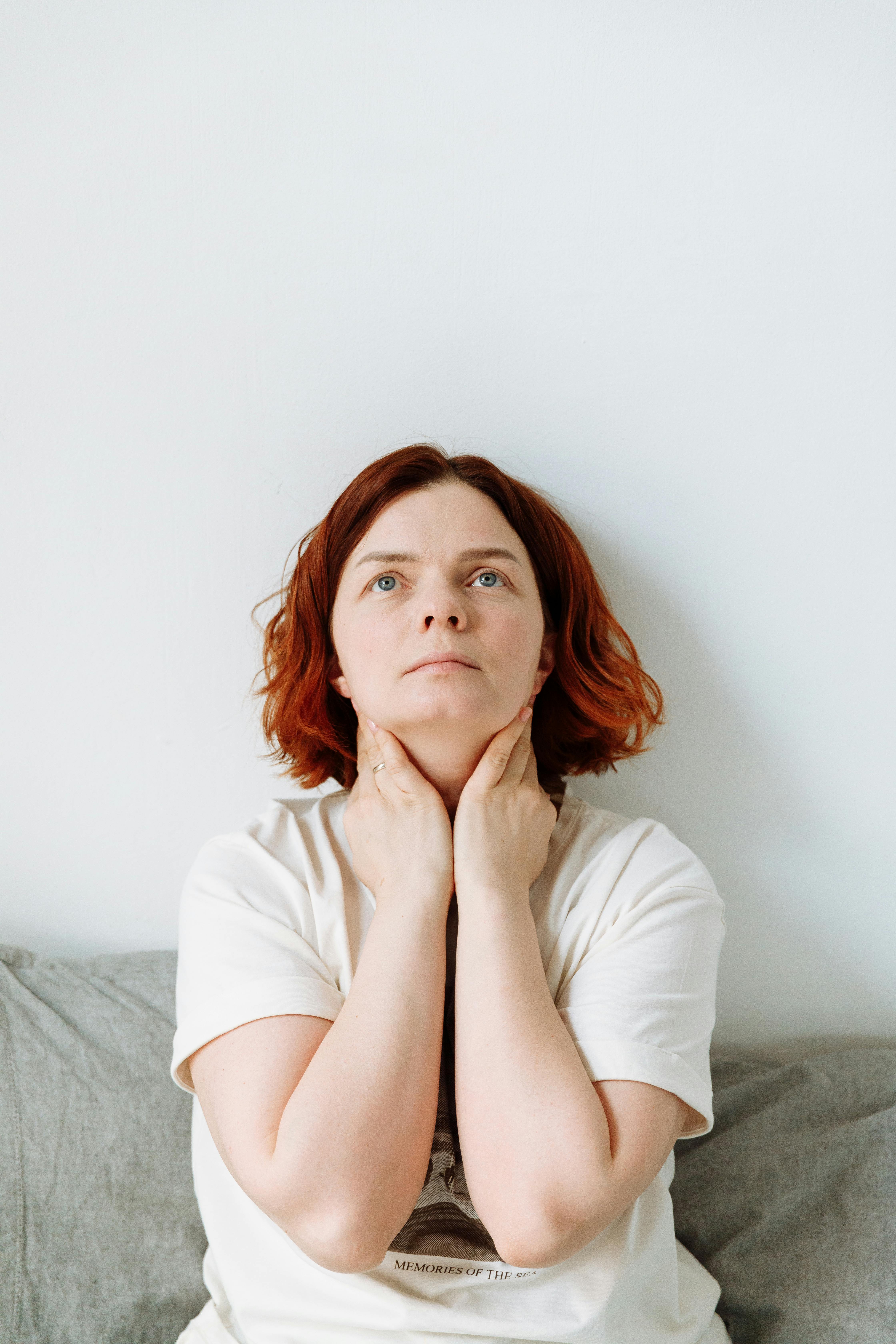 When you shift focus from “what if” to “what is,” you begin to restore that natural rhythm. The human brain functions best when it cycles between activation and rest. Every time you return to the present, you interrupt the spiral and give your body a chance to complete the stress response. Over time, this retrains the brain. The amygdala learns that not every alert needs action, and the prefrontal cortex regains its strength.
It’s important to remember that anxious thoughts are not facts – they are possibilities. The job of anxiety is to keep you safe, not to tell you the truth. You can thank it for its service and gently guide it back to calm. Meditation, hypnosis, and mindful breathing strengthen the prefrontal cortex, allowing your thinking brain to stay online even when you feel threatened. In these moments, the nervous system moves from survival to safety, from “what if” to “what is.”
When anxiety pulls you into the future, return to your senses. Feel your feet on the floor, the air moving in and out of your lungs, the sound of life around you. This is reality, the “what is.” The rest is imagination. The body learns safety through experience, not thought. Every time you return to the present, you teach your brain that it can stop preparing for disaster and simply be here, now.
 Welcome to my website, a space where I try to catch your eye, and explain the heart of my practice.
My journey over 17 years has taught me that true knowledge isn’t about the letters after my name or the timeline of my academic pursuits. It’s about the stories shared, the moments of vulnerability, and the human connection that transforms both you and me. It’s holding space, listening intently, and noticing the patterns within your words and emotions.
Together, we can navigate the complexities of life, embracing both the shadow and the light. So, if you’re seeking more than just a quick fix, and ready to make lasting changes, you’re in the right place. Let’s embark on this journey together. Click and read more about my approach here. I offer everyone a free initial consultation, so if you’re wondering – how do I know if I need therapy? – come for a chat to learn more.