

How Do You Know If You Have Trauma?
You know you have trauma when your nervous system responds to past events as if they are happening now. Trauma lives in the body. It shows through hypervigilance, shutdown, anxiety, nightmares, emotional overwhelm, or a sense of constant threat long after danger has passed. These patterns reflect a nervous system stuck in unfinished survival responses.
Trauma lives in the nervous system, not just in the mind
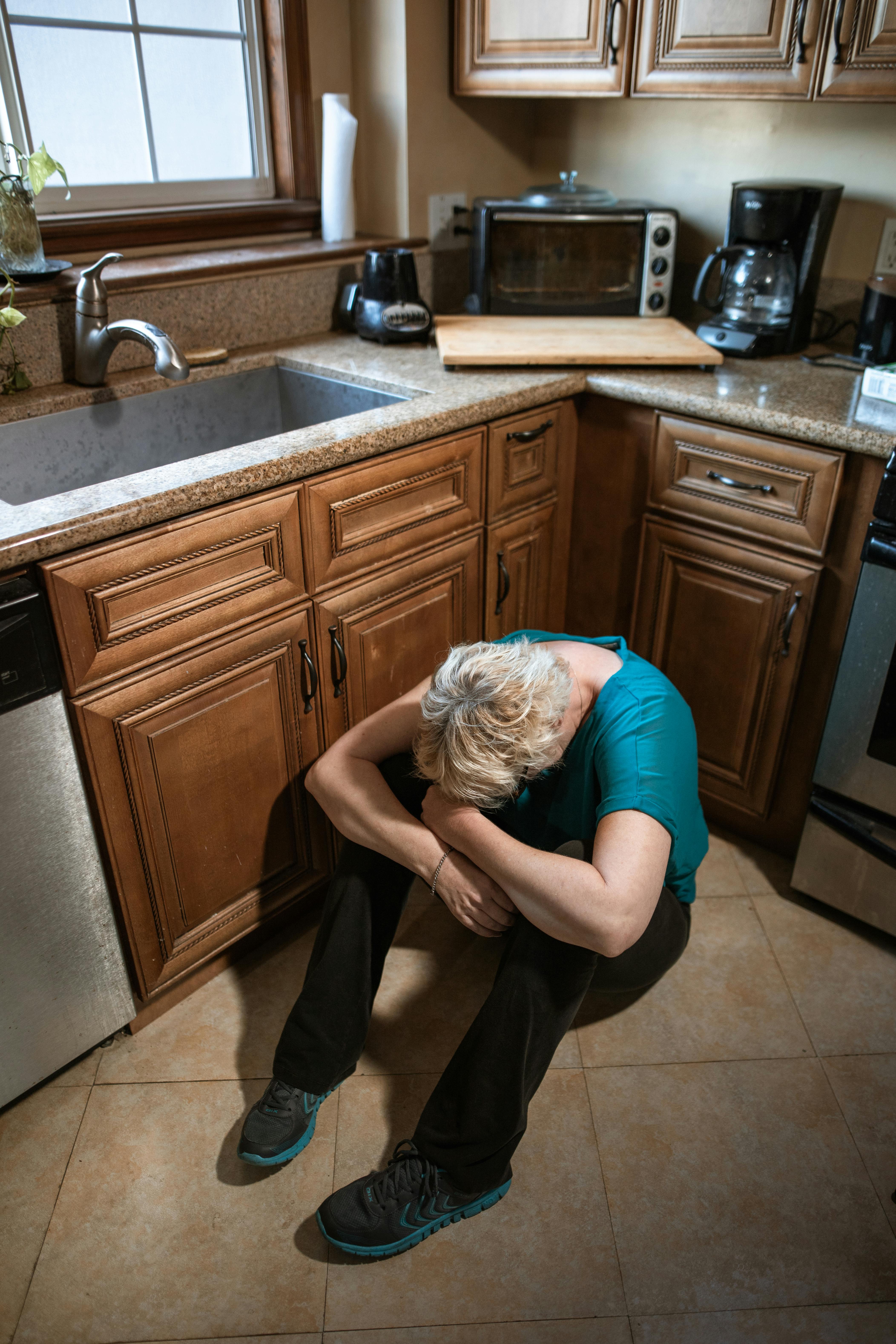 When something feels overwhelming – or your brain perceives it as life-threatening – your body shifts into the survival cycle. This process is your body’s call to action. It mobilises energy for movement, confrontation, or repair. When action happens, the signal fades. But if your brain perceives you as powerless, it moves into the freeze response, an ancient survival technique from our reptilian ancestors. Any of these responses can remain unprocessed in your system, and that is trauma. People experience emotional trauma when the stress response continues long after the threat ends. The brain cannot down regulate, and the nervous system stays dysregulated.
What does trauma look and feel like?
When trauma repeats during childhood, the brain develops in an environment of stress. The nervous system grows expecting danger. Children learn to survive by scanning for threats. This can shape adult life. It can lead to hypervigilance, anxiety, or shutting down when situations feel unsafe. This is what we call complex trauma, where the body expects danger again and again. You may experience flashbacks, nightmares, and hyperarousal. Your body responds to old memories as if they are current, and as your nervous system cannot distinguish between past and present, you feel under constant threat.
Trauma is individual, and the severity of the effect depends on your brain structure and how you process events. Few abusers offer their victim a safe space to process the abuse. As a result, victims of abuse often have complex PTSD (C-PTSD). When a traumatic event happens, such as an accident or natural disaster, and the victim has the opportunity for therapy to process the experience, they are less likely to suffer with trauma.
Trauma also includes non-physical experiences, such as being told to stop crying, not feeling heard, feeling unimportant, or living in a family with continual bickering that leaves you in a permanent state of anxiety. It is important to note that how the child feels is the important factor, rather than the reality of the situation.
Why does the body hold onto trauma?
 When you experience a traumatic event or events, your brain quickly moves into survival mode. Physically, your body prepares to fight or flee for your survival. Your human thinking brain shuts down to protect you from overwhelming and destructive emotions.
Modern stressors keep you stuck in cycles that humans evolved to face collectively. Early humans lived within groups. Stress was rarely borne alone. Today, modern stressors keep us in a chronic state, and we face them alone. This leaves many people stuck in unfinished survival cycles. Healing comes from connection. The human nervous system depends on back-and-forth with others to regulate itself and feel safe.
When relationships destabilise, the nervous system dysregulates. To heal from trauma, we must restore safety through connection. Around the campfire, in dance, and in story. Safety in numbers creates the conditions for connection. In safe spaces, we calm down, soften misunderstandings, and return to each other. When we feel safe, we connect. When we connect, we repair.
How trauma shows up in everyday life
Trauma affects the brain differently, depending on the stage of life. When an adult experiences trauma, the brain might stick in survival mode. This is PTSD, which causes nightmares, flashbacks, permanent feelings of anxiety, anger, intrusive memories or thoughts, and more. The same brain areas take an important role in memory formation. Some people with PTSD have difficulties with memory and show reduced hippocampal volume, probably because of trauma.
Trauma can also shape sleep. If the unconscious brain doesn’t feel safe, it won’t let you sleep. Trauma, stress, or even growing up in an unpredictable household can wire your nervous system for alertness, not rest.
Fear responses also link to trauma. Your nervous system moves fast. If something once hurt you, your body remembers. Even when it no longer poses danger, the body might still respond as if it does. You can’t think your way out of a historical fear response in the body.
How healing happens
 You can lean into discomfort and use the body to release trauma. Practices such as yoga, journaling, meditation, and massage help the brain and body reconnect. These practices remind the body what it feels like to settle. They teach the system that safety is possible. Healing is about mending the threads of connection. To heal from trauma is to realign with the sense of wholeness already within us. Even small changes in what you eat support nervous system regulation. Choosing whole, nourishing foods helps remind the body of balance.
Healing does not only happen in therapy. You can begin at home by working with your body and nervous system in small, steady ways. Restore safety through connection. Bring the body back into rhythm. Complete the survival cycle. Use somatic practices. Reconnect with purpose. Trauma can leave you feeling disconnected. Small steps toward meaning help reawaken a sense of direction.
How hypnotherapy fits into trauma healing
Hypnosis, used with therapy, can help you heal from trauma. Your brain needs to process the experiences that caused your trauma. When you work with a therapist, you slowly work through the experiences and allow your mind and body to process the thoughts and feelings in a safe environment. Using hypnosis, you can go there and feel safe. Hypnosis helps your body stay calm while you move through the healing process, and let your body complete its stress cycle.
When you bring the regular practise of self-hypnosis or meditation into your life, you’ll find your body relearns how to live without the feeling of being on constant alert.
When people reach out
Therapy gives you the safe space to complete these cycles and bring your nervous system back into rhythm. Many clients bring these questions into the free consultation. Sessions then move at your pace, exploring the roots of your experiences and supporting your nervous system to return to safety.
If you’d like space to explore your own experiences, you can book a free initial consultation. Sessions are £90, and you choose the pace, frequency and depth. There is no pressure or commitment, simply an opportunity to understand yourself with support and autonomy.
FAQs
How do you know if you have trauma?
Trauma lives in the nervous system, not just in the mind. When something feels overwhelming, or your brain perceives it as life-threatening, your body shifts into the survival cycle. If the stress response continues long after the threat ends, the nervous system stays dysregulated. Any unprocessed survival response is trauma.
What does trauma feel like in everyday life?
You may experience hypervigilance, anxiety, shutting down, flashbacks, nightmares, or hyperarousal. Your body responds to old memories as if they are current, because the nervous system cannot distinguish between past and present.
Can childhood experiences cause trauma?
When trauma repeats during childhood, the nervous system grows expecting danger. Children learn to survive by scanning for threats. This shapes adult life and often presents as complex trauma, where the body expects danger again and again.
Is trauma always linked to major events?
Trauma also includes experiences such as being told to stop crying, not feeling heard, feeling unimportant, or living in continual bickering. How the child feels is the important factor, rather than the reality of the situation.
Why does trauma stay in the body?
Your body prepares to fight or flee, and the thinking brain shuts down to protect you. Modern stressors keep many people stuck in unfinished survival cycles. The human nervous system depends on connection to regulate itself and feel safe.
Does trauma affect sleep?
If the unconscious brain doesn’t feel safe, it won’t let you sleep. Trauma or growing up in an unpredictable household can wire your nervous system for alertness instead of rest.
How do you heal from trauma?
Healing comes from restoring safety through connection, bringing the body back into rhythm, completing survival cycles, and reconnecting with purpose. Practices such as yoga, journaling, meditation, and massage help the brain and body reconnect.
How does hypnotherapy help trauma?
Hypnosis helps your body stay calm while you move through the healing process and let your body complete its stress cycle. You slowly work through experiences in a safe environment, so your body can relearn how to live without constant alertness.
 Welcome to my website, a space where I try to catch your eye, and explain the heart of my practice.
My journey over 17 years has taught me that true knowledge isn’t about the letters after my name or the timeline of my academic pursuits. It’s about the stories shared, the moments of vulnerability, and the human connection that transforms both you and me. It’s holding space, listening intently, and noticing the patterns within your words and emotions.
Together, we can navigate the complexities of life, embracing both the shadow and the light. So, if you’re seeking more than just a quick fix, and ready to make lasting changes, you’re in the right place. Let’s embark on this journey together. Click and read more about my approach here.