

Six Modern Mismatches That Drive Addictive Patterns
Modern life makes us more vulnerable to addiction because our ancient biology is constantly overwhelmed by artificial light, isolation, stress, ultra-processed food, and lack of movement. These mismatches keep the nervous system in survival mode, driving cravings for quick relief and creating addictive patterns.
 We often speak about addiction as if it’s a flaw in someone’s character. Perhaps a lack of willpower, a weakness, or a sign that something is fundamentally wrong. But when you look closely at the human body, the nervous system, and the world we evolved in, addiction begins to look like something very different.
We are ancient bodies trying to survive in a world we didn’t evolve for. Our world has changed beyond recognition, but we haven’t. For almost all of human history, life followed the rhythm of sunrise and sunset, of movement and rest, of deep social bonds and constant interaction with the natural world. Today, we live under fluorescent light, surrounded by noise, overstimulation, ultra-processed food, and the pressure to perform. We have built a world that keeps our nervous systems in survival mode.
When the body feels unsafe, under threat, or out of balance, it searches for relief. In this instance, addiction is the nervous system trying to regain equilibrium in an environment it doesn’t expect to navigate.
The Biology Behind Craving
 The brain keeps you alive using a carrot-and-stick system of hormones. Motivator hormones – cortisol, adrenaline, CRH and dynorphin – create tension, discomfort, or unease. Their job is to push you into action. Their purpose is to mobilise your body’s energy and focus so you can respond to a need.
In primitive life, this was perfect. You felt hungry, so you foraged. Felt unsafe, so you sought your tribe. You felt lonely, so you reconnected. Once you met the need, the discomfort faded, and the gratifier hormones – dopamine, serotonin, oxytocin and endorphins – took over. These rewarded the action, strengthened connection, and completed the cycle.
Today, the motivators still fire as they did hundreds of thousands of years ago, but the world around us doesn’t meet our needs in the way our biology expects. We rarely complete the cycle. Instead of moving, connecting, or resting, we reach for quick hits – screens, food, substances, shopping, scrolling – modern substitutes that create a burst of dopamine but leave the underlying need unmet. The cycle begins again. This is the loop of addiction: discomfort searching for completion, but finding only momentary relief.
Why Modern Life Makes Us Addicted
-
Constant Blue Light
Your body expects darkness to produce melatonin and light to produce cortisol. Exposure to blue light from screens and LED lighting mimics the sun, even late at night. This suppresses melatonin, disturbs sleep, and increases cortisol. Cortisol in the evening is the biological signal of threat. The body reads this as danger, and with danger comes the urge to soothe. Sleep deprivation then increases cravings, reduces emotional regulation, and heightens stress. It becomes the perfect storm for addictive patterns.

-
Isolation From the Tribe
Humans evolved in close-knit bands of around 150 people. Social bonds were essential for survival. Safety came from numbers, trust, reciprocity, and constant co-regulation. Today, many people live surrounded by others, yet deeply disconnected. Loneliness triggers the same stress response as physical danger. Oxytocin, the hormone of safety and trust, is in short supply. Without the social soothing our nervous system expects, the body reaches for substitutes that mimic connection, but offer no real nourishment. Addiction often fills the void created by the loss of tribe.
-
Sedentariness
When stress hits, your brain prepares your body to either run for your life or fight for it. Heart rate rises, muscles tense, blood moves to the core. All perfectly natural if you’re about to sprint across the savanna. But today we sit at desks, in cars, on sofas, while our body remains chemically primed for action that never comes. The stress response remains switched on. The energy builds with nowhere to go. A body stuck in activation looks for quick ways to discharge discomfort. Movement once completed the cycle; now substances and habits attempt to.
-
Ultra-Processed Food
Ultra-processed foods hijack a system that evolved slowly over millions of years. Dopamine once surged when early humans spotted ripe fruit, tracked an animal, or found water. The natural reward for effort, patience, and skill. Today food is instantly available, and UPFs trigger quick bursts of dopamine without nourishment, effort, or true satisfaction. The body metabolises dopamine quickly, so we’re always looking for more.
These foods strongly activate the same brain circuits affected by drugs such as alcohol, nicotine, or morphine, exploiting ancient “wanting” pathways and creating compulsive, addictive-like eating. They make us consume more despite not feeling hungrier, fuller, more satisfied, or more able to eat.
UPFs also disrupt the gut microbiome, alter hormonal regulation, reduce chewing, and push the body further into stress. These changes that affect mood, clarity, and emotional resilience. Over time, this leaves the underlying need unmet, so the craving returns quickly. Eating shifts from satisfying to seeking, mirroring the same mismatch-driven loop at the heart of addiction.
-
Loss of Ritual
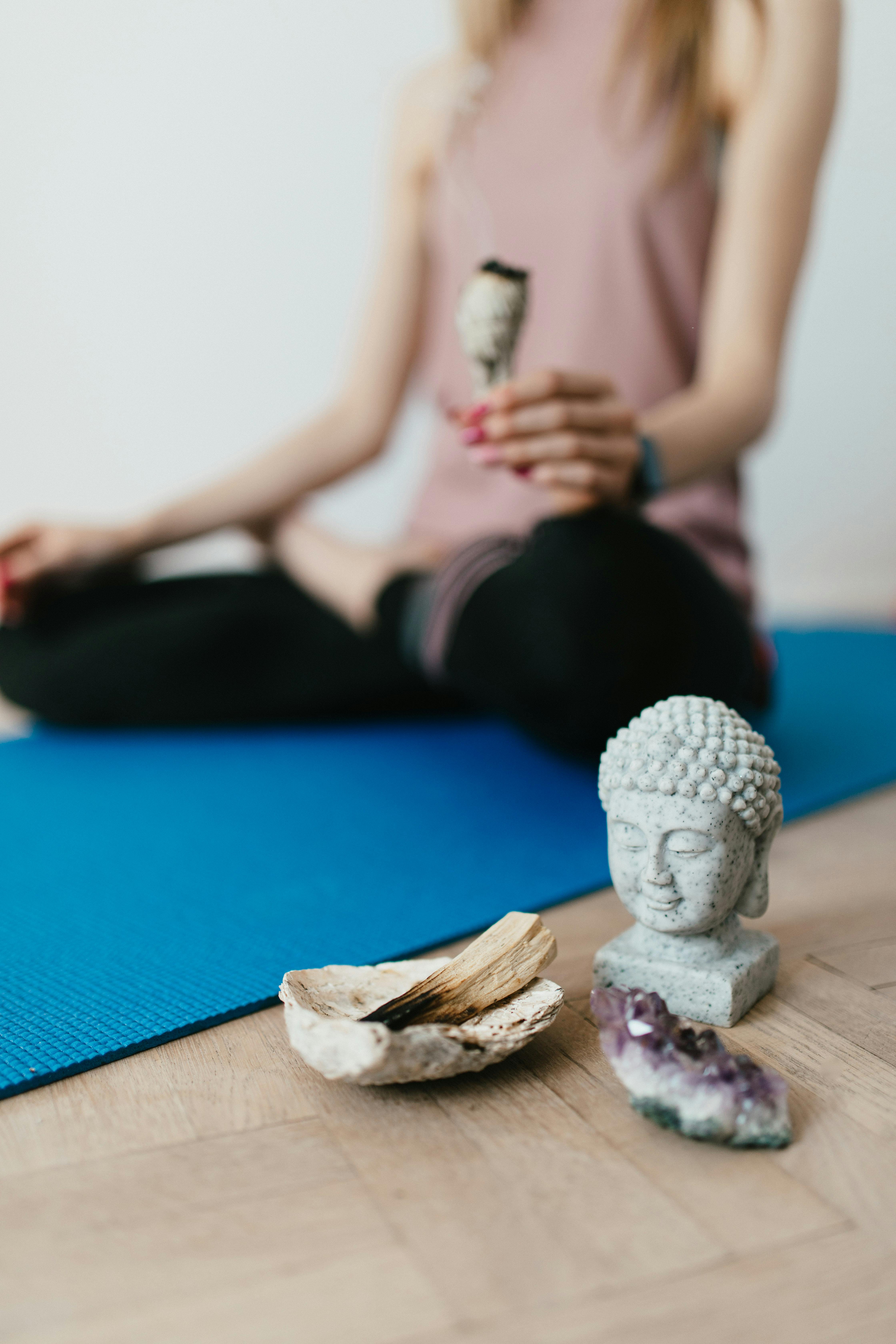 Ritual was once a natural part of human life. Firelight, communal meals, dance, storytelling, shared tasks. These created rhythms, meaning, and emotional regulation. Rituals anchored the nervous system, signalled transitions, and brought oxytocin and endorphins into daily life. Today, many people live without ritual entirely. Life is a blur of tasks, screens, and noise. Without rhythmic anchors, the nervous system never fully resets. Modern addictive behaviours often replace the psychological stability ritual once provided.
-
No Completion of Stress Cycles
Stress was once a positive nudge onto the survival path. The human naturally took action, resolved the need, the stress cycle completed, and the body returned to balance.
Today, stress is constant and rarely relieved. The “threat” never ends. Notifications, emails, deadlines, social pressure, financial worries. They all signal danger to a brain that cannot tell the difference between a real threat and an imagined one. When the cycle doesn’t close, the body searches for other ways to release tension. Addiction becomes the attempt to complete an ancient process in a modern world that doesn’t allow it.
Addictive Patterns as the Body Searching for Balance
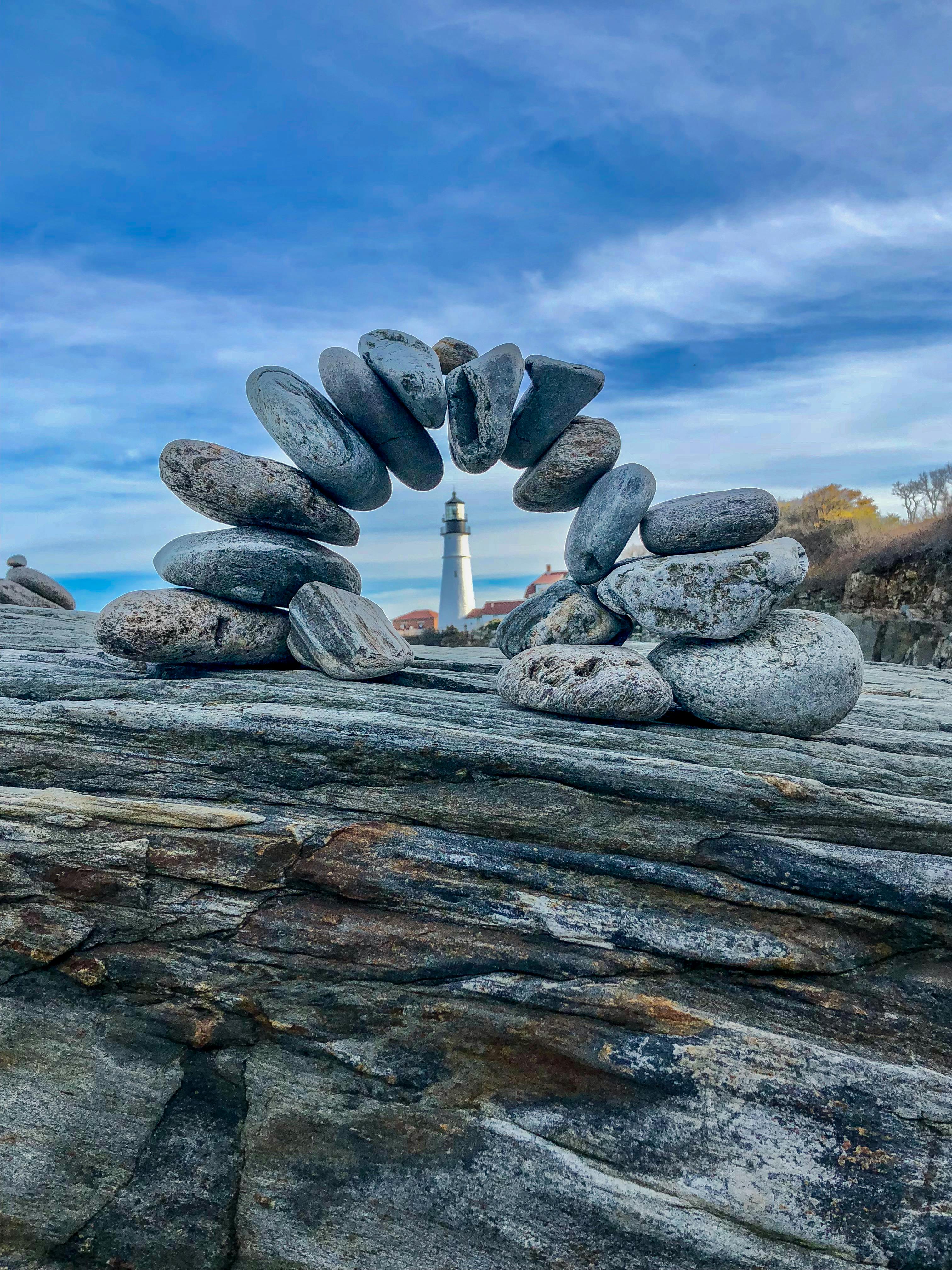 Through the lens of my Human Mismatch Theory, addiction stops looking like pathology and starts looking like biology. A system doing its best. A nervous system trying to reach homeostasis. A body acting exactly as it evolved to act just in an environment that no longer supports its natural processes.
Addiction is rarely about the substance or behaviour itself. It’s about the need underneath: rest, connection, safety, nourishment, movement, meaning.
How Hypnotherapy Helps: Completing the Loop
In hypnosis, the nervous system drops out of the stress response. Brain waves slow, cortisol decreases, and the prefrontal cortex (the thinking, reflective part of the brain) comes back online. When the amygdala is no longer hijacking the system, the body can finally do what it has been trying to do: complete the loop.
Through hypnotherapy, you can explore triggers, calm the threat response, and teach the body the feeling of safety it has been searching for. Because the brain does not differentiate between real and imagined experiences, hypnosis can help the nervous system rehearse new patterns. Instead of chasing quick hits through addictive patterns, the system begins to soften, regulate, and restore.
This is not about eliminating desire, but about returning the body to balance so you can meet your needs in ways that align with your biology.
 Welcome to my website, a space where I try to catch your eye, and explain the heart of my practice.
My journey over 17 years has taught me that true knowledge isn’t about the letters after my name or the timeline of my academic pursuits. It’s about the stories shared, the moments of vulnerability, and the human connection that transforms both you and me. It’s holding space, listening intently, and noticing the patterns within your words and emotions.
Together, we can navigate the complexities of life, embracing both the shadow and the light. So, if you’re seeking more than just a quick fix, and ready to make lasting changes, you’re in the right place. Let’s embark on this journey together. Click and read more about my approach here. I offer everyone a free initial consultation, so if you’re wondering how to leave addiction behind, come for a chat to learn more.