

How Do I Keep My Nervous System Healthy?
Your nervous system stays healthy when you live in rhythm with your biology. Prioritise sleep, natural light, movement, real human connection, and daily calm. Ground your body through breath and sensory awareness, reduce overstimulation, and remind your brain that you are safe. Balance, not busyness, is the key to a resilient nervous system.
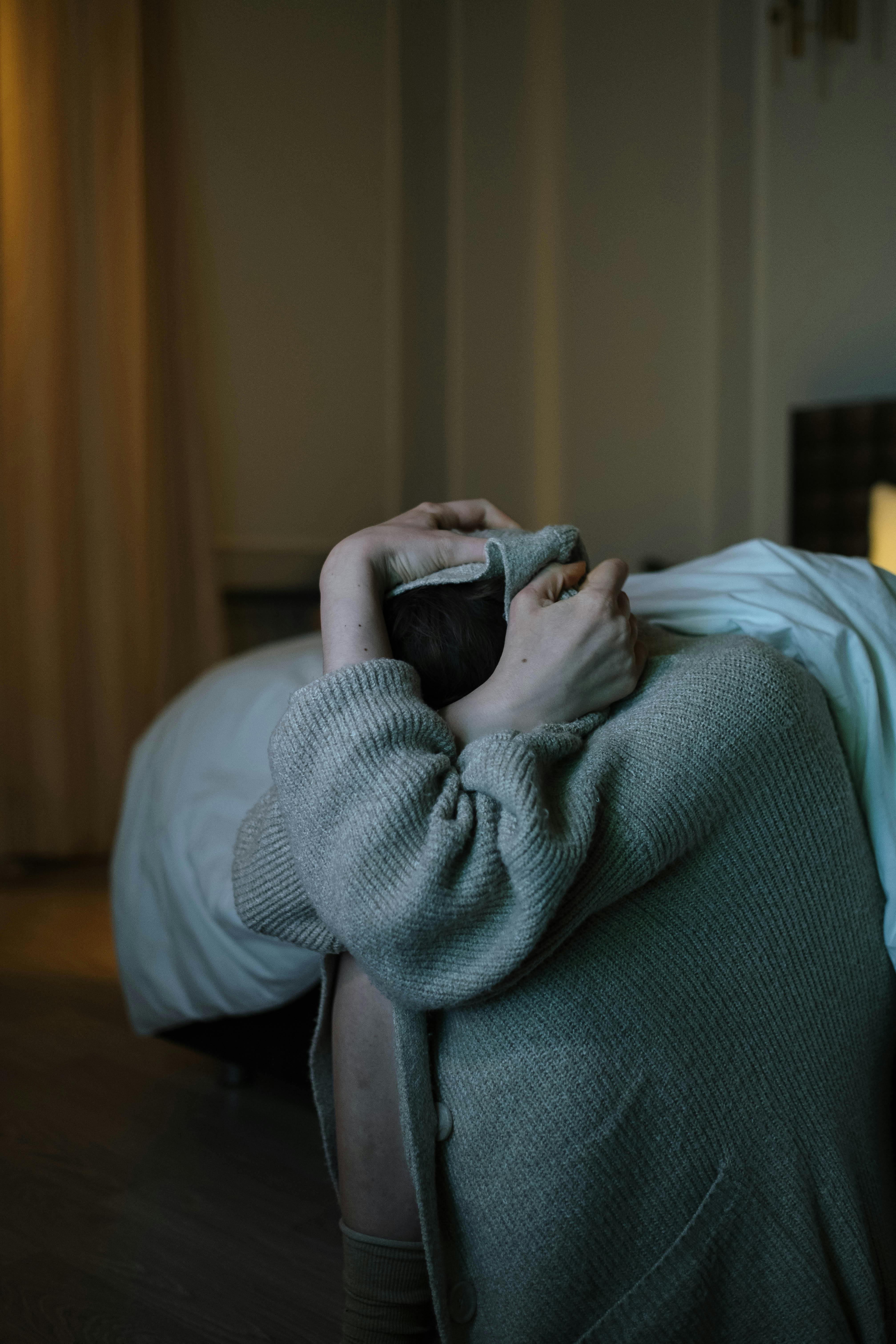 Your nervous system is ancient. It evolved to keep you alive in a world that moved slowly, in rhythm with the sun, moon, and seasons. It is designed for survival and danger that comes and goes. Not for the constant alerts of modern life. When your nervous system becomes overstimulated, it sends messages to prepare for action. The same survival mechanisms that once kept our ancestors alive activates in response to emails, deadlines, and scrolling.
The body cannot tell the difference between a threat to your life and a stressful meeting. Anxiety, exhaustion, and even low mood are your body’s attempts to communicate that something needs to change. The question is not how to silence these signals, but how to restore balance so the system can return to calm.
The Biology of Balance
 When your brain senses danger, the hypothalamus activates the sympathetic nervous system. This floods your body with adrenaline and cortisol, tightening muscles, speeding your heart rate, and sharpening your focus. It is an excellent system for short bursts. But modern stressors don’t pass quickly, and your body does not function well when it stays in this state for long periods.
Your nervous system doesn’t only switch on for danger. It also kicks into gear to motivate you into action for everyday survival acts. It predicts what you’ll need, warmth, food, safety, connection, and creates mild discomfort to prompt you to move. This is allostasis: your body keeping you one step ahead of your needs. The motivator hormones that drive this process (cortisol, adrenaline, and CRH) evolved to turn discomfort into action, sharpening focus and keeping you alive. The problem today is that the modern world never truly signals “safe.” Constant notifications, deadlines, and social pressure keep this system switched on, leaving the body without time to recover.
Chronic stress keeps the nervous system in survival mode. Memory, concentration, and emotional regulation begin to suffer. The immune system weakens. The digestive system slows. Your brain’s priority is safety, not logic. When your amygdala hijacks, the prefrontal cortex – the part that plans, reflects, and reasons – begins to switch off. You may find it hard to think clearly, speak calmly, or see the bigger picture.
Your brain’s purpose is to keep you alive, but it relies on feedback from the body to do so. Stability in your nervous system comes from rhythm – movement between activity and rest, light and dark, connection and solitude. These are the biological patterns your system depends on.
Returning to Rhythm
 Human beings evolved to live in rhythm with the natural world. For almost the entirety of our existence, life followed the pattern of sunrise and sunset, of work and rest, of movement and stillness. Our biology still expects those patterns, yet we live surrounded by constant stimulation.
Even standard room lighting can suppress melatonin by over 50%. Screens and LED bulbs emit strong blue light that tells your brain it’s still daytime, keeping you alert when you should be winding down. Swapping bright lights for softer evening lamps and seeking morning sunlight helps reset your circadian rhythm, your body’s natural clock that governs sleep, hormones, and mood.
Sleep is one of the most powerful regulators of your nervous system. During sleep, your brain processes memories, clears out toxins, and rebalances the chemistry of stress and calm. Too little sleep, or poor-quality sleep, leaves the system on high alert. When you wake, the day already feels like a threat.
Bringing the Body Online
Your body and mind are one system. When the mind is racing, it’s often the body that holds the key to calm. Simple grounding techniques can interrupt anxious loops and bring awareness back to the present moment.
Try the 5 Senses Exercise:
 Notice five things you can see, four things you can hear, three things you can feel, two things you can smell, and one thing you can taste.
Or focus on your breath: inhale gently through your nose for a count of four, exhale slowly for six or eight. The longer out breath signals to your body that it is safe.
Another powerful practice is to thank your brain for the alert and let it know you are safe. Say to yourself, “Thank you, brain, for keeping me alert and trying to protect me. I am safe right now, and I am in control.” A simple statement that tells the nervous system it can rest, you’re safe.
Connection as Medicine
We are social animals. For our ancestors, belonging to the tribe was vital for survival. Touch, trust, and shared experience release oxytocin. This hormone calms the threat system and activates the parasympathetic “rest-and-digest” response. Isolation, competition, and lack of physical contact deprive us of oxytocin, leaving many people high in fear and low in calm.
Real connection regulates the nervous system. Share meals, talk face-to-face, hug often. Choose touch over text. Light a candle at dinner and let stories replace screens.
Re-learning Safety
Small, consistent choices help your nervous system relearn safety:
- Step outside in natural morning light.
- Move your body every day.
- Eat food your body recognises.
- Rest in darkness.
- Connect deeply and often.
You are human living in a world your biology hasn’t yet evolved for. Healing your nervous system means aligning with what you were built for: rhythm, rest, movement, connection, and safety.
 Welcome to my website, a space where I try to catch your eye, and explain the heart of my practice.
My journey over 17 years has taught me that true knowledge isn’t about the letters after my name or the timeline of my academic pursuits. It’s about the stories shared, the moments of vulnerability, and the human connection that transforms both you and me. It’s holding space, listening intently, and noticing the patterns within your words and emotions.
Together, we can navigate the complexities of life, embracing both the shadow and the light. So, if you’re seeking more than just a quick fix, and ready to make lasting changes, you’re in the right place. Let’s embark on this journey together. Click and read more about my approach here.