

What Can Help You Sleep?
Reset your circadian rhythm with morning light, reduce blue light after sunset, eat balanced meals to avoid night-time blood sugar crashes, and practise relaxation techniques such as diaphragmatic breathing and progressive muscle relaxation. Hypnotherapy can also help calm stress and retrain your brain to rest naturally.
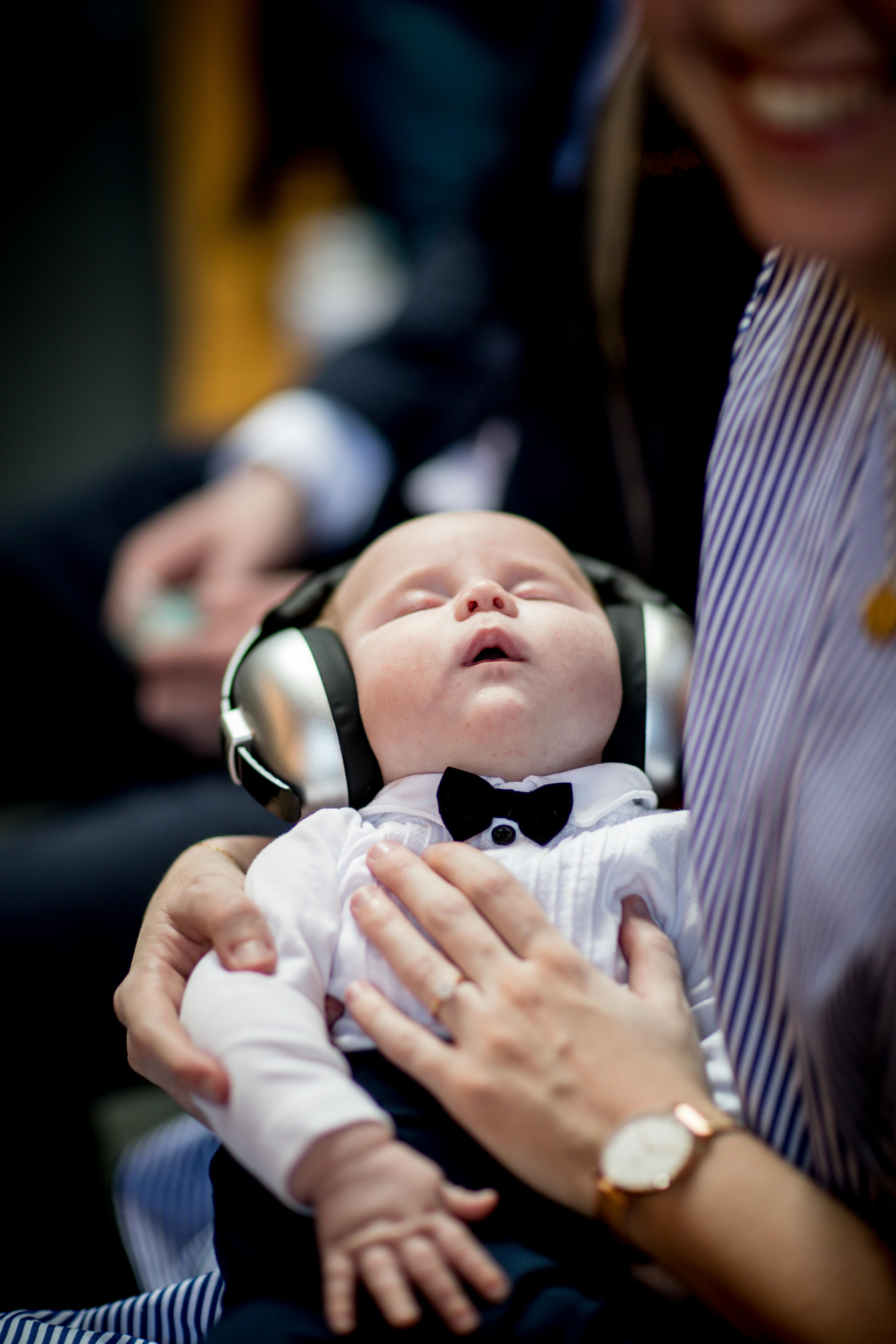 Sleep is one of the most natural things we do. It is as essential as breathing and eating, yet so many people find it frustratingly elusive. Modern life creates constant stimulation, and the human brain struggles to cope. One of the biggest impacts is on sleep, even though it’s a biological necessity. Evolution kept it in for a reason, and we cannot survive without it.
Reset Your Natural Rhythm
Your circadian rhythm is slightly longer than 24 hours. To stay in sync, you need to reset it daily through light, ideally by letting natural daylight hit your eyes in the morning. A ten-minute early walk with the sunrise is enough. Darkness, on the other hand, signals your brain to release the hormones that switch you into the sleep state. If you have bright LED lights in your home, consider using lamps after sunset and turning off screens at least an hour before bed.
Blue light from phones, tablets, and TVs mimics sunlight and delays the release of melatonin – the hormone that signals your body to sleep. Even standard room lighting can do this, not just screens. When exposed to bright light before bedtime, melatonin levels drop, and delay the onset of sleep in 99% of people.
Relax Your Body and Mind
Your body already knows how to sleep; the challenge is learning how to switch off from modern stimulation. Instead of trying to force sleep, use relaxation techniques to bring your body out of the fight-or-flight state.
- Diaphragmatic breathing: Slow, deep breaths lower your heart rate and activate relaxation.
- 7-11 breathing: Inhale for seven, exhale for eleven to calm the nervous system.
- Progressive muscle relaxation: Tense and release each muscle group to ease physical tension.
- Visualisation: Imagine a peaceful place – your senses will help distract from intrusive thoughts and promote calm.
If you feel anxious at night, remember that your in-breath speeds up your heartbeat and your out-breath slows it down. You can use this rhythm consciously to bring your body back into balance.
Manage Nutrition and Night-Time Hanger
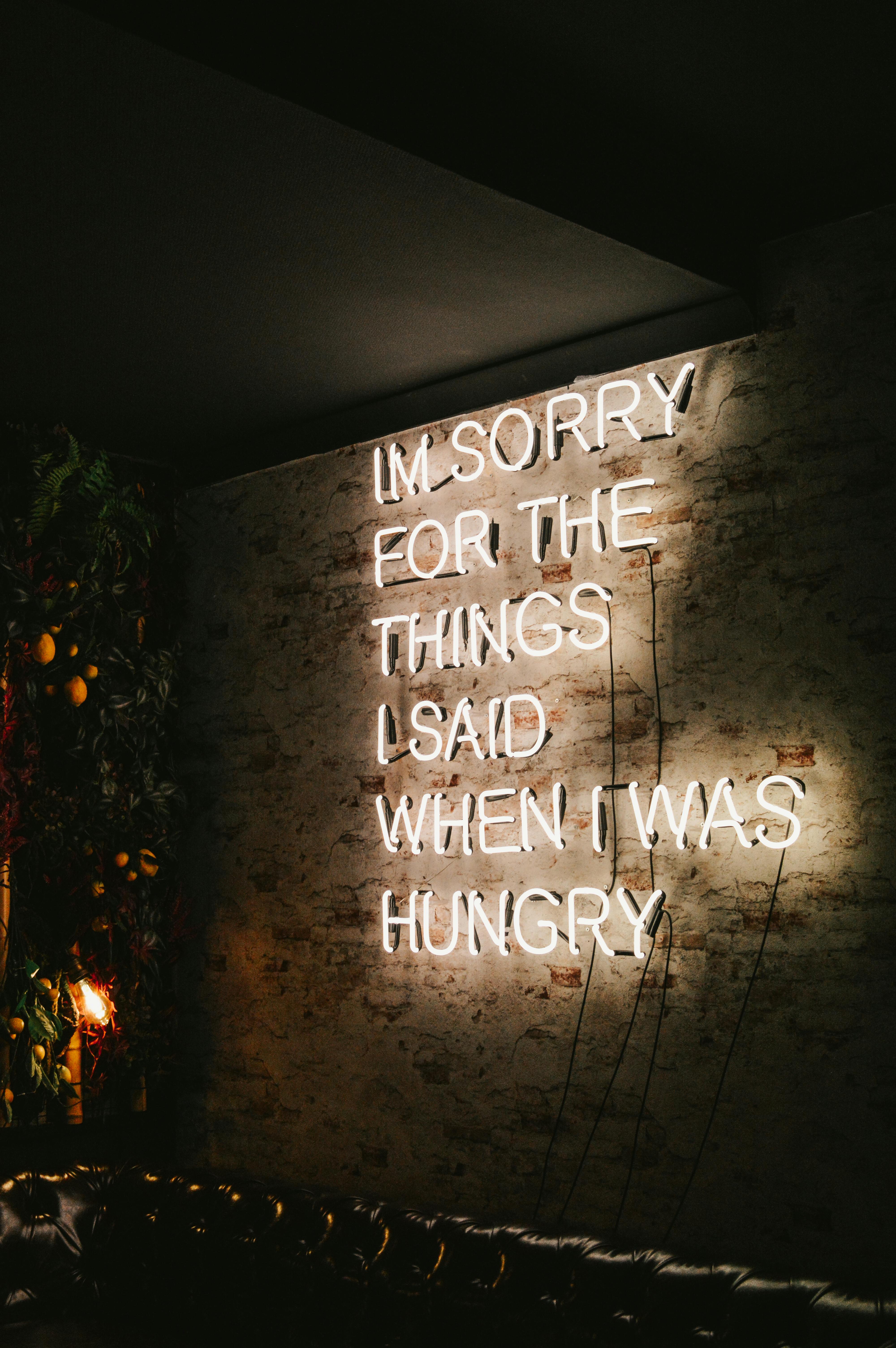 A poor or unbalanced diet can lead to blood sugar crashes that wake you in the night. Your body might interpret this as anxiety rather than hunger. Balanced nutrition during the day helps prevent middle-of-the-night wake-ups. Dr. Ellen Vora recommends a spoonful of coconut oil or nut butter before bed to stabilise blood sugar overnight.
Certain nutrients also support melatonin production. The “happy chemical” serotonin converts to melatonin. To make serotonin, your body needs tryptophan (found in protein), plus iron, and vitamins B3, B6, B9, and C. If your immune system is busy fighting infection, your tryptophan is redirected away from serotonin and melatonin production, which explains disrupted sleep when you’re run down.
Follow Rhythms That Support You
The 10-3-2-1-0 rule can help create structure:
- 10 hours before bed – No caffeine
- 3 hours before bed – No food or alcohol
- 2 hours before bed – No work
- 1 hour before bed – No screens
- 0 – Number of times you hit snooze
Calm an Overactive Brain
 When you can’t sleep because your mind won’t stop, focus on grounding techniques that bring you back to the present. Try the Alphabet Game – pick a category like “animals” or “countries” and go through the alphabet, naming one for each letter. Or imagine yourself walking down a staircase from ten to one, creating your own peaceful setting at the bottom. Every time you notice your mind wander, bring yourself back to the top of the staircase.
Journaling before bed can also help. Write down your thoughts, worries, and to-do lists to empty your mind so your body can rest. A “brain dump” gives you permission to let thoughts drift out of your mind overnight.
Build Safety into Sleep
Sleep is an act of safety. The unconscious brain won’t allow it if it senses danger. Whether this is from trauma, anxiety, or stress. In hypnotherapy, we work to restore this sense of safety so your body can finally let go into rest. By working with your mind’s natural relaxation response, hypnotherapy can help reduce stress, ease anxiety, and retrain your brain to embrace restful sleep.
You can also thank your brain for trying to protect you:
“Thank you, brain, for keeping me alert and trying to protect me. I am safe right now, and I am in control.”
Repeating this phrase helps your nervous system recognise safety, so your body can finally rest.
Start Small
You don’t have to overhaul your life to sleep better. Start by dimming the lights after sunset, putting your phone away earlier, or breathing deeply for sixty seconds. Sleep is not a luxury, it’s one of the most important things you do. With the right conditions, sleep stops being a battle and becomes what it was always meant to be: your natural way of restoring balance, energy, and ease.
 Welcome to my website, a space where I try to catch your eye, and explain the heart of my practice.
My journey over 17 years has taught me that true knowledge isn’t about the letters after my name or the timeline of my academic pursuits. It’s about the stories shared, the moments of vulnerability, and the human connection that transforms both you and me. It’s holding space, listening intently, and noticing the patterns within your words and emotions.
Together, we can navigate the complexities of life, embracing both the shadow and the light. So, if you’re seeking more than just a quick fix, and ready to make lasting changes, you’re in the right place. Let’s embark on this journey together. Click and read more about my approach here. I offer everyone a free initial consultation, so if you’re wondering – how do I know if I need therapy? – come for a chat to learn more.