

What Are 5 Symptoms of Anxiety?
Anxiety affects both the mind and body. The most common symptoms include a racing heart, rapid breathing, overthinking, muscle tension, and difficulty focusing. These reactions are your brain’s natural safety system, working to protect you, even when the threat isn’t real.
 Anxiety is your body’s response to a situation that it perceives as a threat to your life. The reptilian part of your brain that does not have conscious thought handles this. When you experience anxiety or stress, your brain responds quickly and efficiently to save your life. It releases adrenaline and noradrenaline, constricting your blood vessels and increasing your heart rate. This is why you may feel like you are having a heart attack during an anxiety attack. At the same time, your front thinking brain will start to switch off, preventing you from functioning in a normal day-to-day way.
-
Physical Sensations
When your brain perceives something as a danger, it flicks into the fight-or-flight response. Your body prepares you to either run for your life or fight for your life. The amygdala senses a threat and immediately instructs the brain to release adrenaline. Your heart rate increases, so blood flows to the muscles. Air passages of the lungs expand to take in more oxygen, and the pupils of your eyes widen to let in more light. Your metabolism alters, creating a surge in glucose for energy. If the stressor remains, your hypothalamus releases corticotropin-releasing hormone, which causes your adrenal glands to release cortisol, keeping your body in a hyper-alert state. These chemical changes are the biological foundation of anxiety, a primal, automatic system doing its best to keep you alive.
-
Racing Thoughts and Overthinking
 Anxiety is an ability to see all possible outcomes, analyse every angle, predict what could go wrong. It is pattern recognition on overdrive. The human brain does not differentiate between real and imaginary threats. Every time you re-live an experience through your imagination, your brain reacts as if it were happening. When the amygdala takes over, the thinking brain shuts down. The threat doesn’t have to be real – if it feels real, the body believes it. This is why people often describe their mind as “busy” or “loud.” The brain tries to keep you safe by scanning for every possible danger, even when none exists.
-
Difficulty Thinking Clearly
Your brain prioritises safety above conscious thought. When your amygdala hijacks and your brain enters the fight-or-flight response, your human thinking brain, the prefrontal cortex, begins to switch off. With a switched-off prefrontal cortex, you have difficulty reflecting on previous experiences or planning for future experiences. You may find logical thinking and problem-solving harder, struggle to speak, and lose self-reflection and empathy. This is why anxiety can make you feel detached from yourself or others. Your brain’s protective systems override your ability to reason.
-
Emotional and Behavioural Symptoms
There is a misconception that people with anxiety are quiet or reserved. Not all anxiety looks anxious. Sometimes, it looks like success. Many people with anxiety appear confident, driven, and high functioning, yet internally battle relentless overthinking and self-doubt. You can explain in fine detail the way your body feels on an anxious day, yet when asked what you feel like without anxiety, you might not know. Over time, anxiety can become part of identity. It is something you feel you are, rather than something you experience. Recovery begins when you separate the self from anxiety.
-
Disconnection from the Present Moment
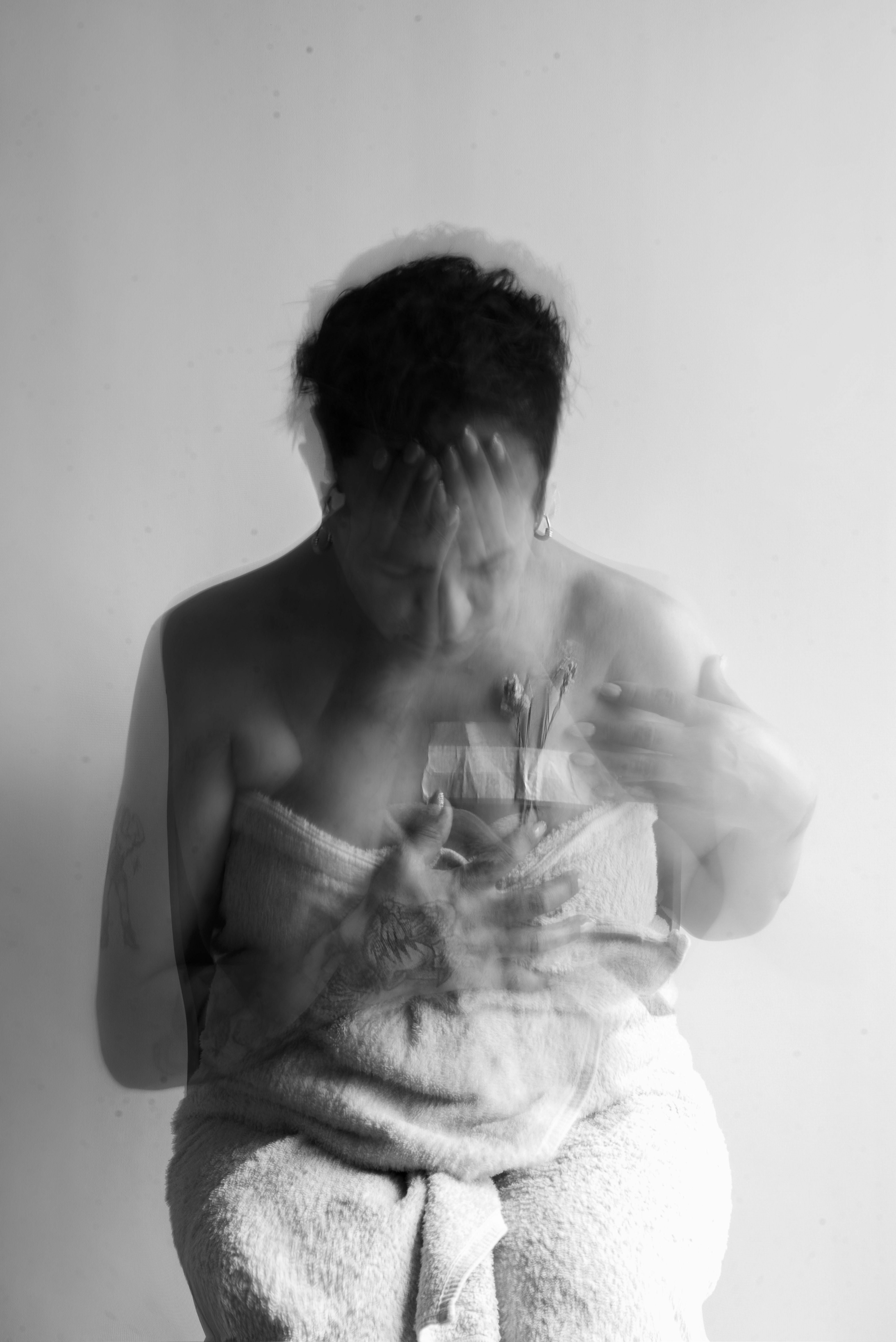 When you use your senses, you bring your human thinking brain back online. Touch things, listen, smell, notice the details – this brings your body back to the present moment. If you want to stop anxiety, stop asking “what if” and start asking “what is.” Grounding techniques like the 5 Senses Exercise help: notice five things you can see, four you can hear, three you can feel, two you can smell, and one you can taste. Thank your brain for the alert and let it know you are safe: “Thank you, brain, for keeping me alert and trying to protect me. I am safe right now, and I am in control.” These simple exercises help calm the amygdala and remind the nervous system that it can relax.
The Brain’s Purpose: Safety Above All
Your brain’s purpose is to keep you alive. It does not differentiate between a threat to your ego and a threat to your life. The same biological system that once protected you from predators now reacts to emails, deadlines, or public speaking. Humans evolved to cycle naturally between stress and recovery. In our ancestral environment, survival depended on movement, nourishment, sleep, connection, and purpose. Today, modern stressors keep the stress response switched on. Without the natural rhythm of recovery, the body stays dysregulated, and that dysregulation feels like anxiety.
When anxiety takes over, it’s your body doing its job – only too well. Your system tries to keep you safe in the only way it knows how. Once you understand that anxiety is not your enemy, but your brain’s overprotective instinct, you can begin to work with it rather than against it.
 Welcome to my website, a space where I try to catch your eye, and explain the heart of my practice.
My journey over 17 years has taught me that true knowledge isn’t about the letters after my name or the timeline of my academic pursuits. It’s about the stories shared, the moments of vulnerability, and the human connection that transforms both you and me. It’s holding space, listening intently, and noticing the patterns within your words and emotions.
Together, we can navigate the complexities of life, embracing both the shadow and the light. So, if you’re seeking more than just a quick fix, and ready to make lasting changes, you’re in the right place. Let’s embark on this journey together. Click and read more about my approach here. I offer everyone a free initial consultation, so if you’re wondering – how do I know if I need therapy? – come for a chat to learn more.