

How When and What You Eat affects Your Gut and Mental Health
 Today, we eat without effort, often without thought. We can grab a snack at any hour, order food at the click of a button, or eat on the move. But this modern relationship with food is vastly different from the way humans evolved to eat, and it shows up in our mental health.
Primitive humans had constant, but not instant, access to food. They foraged, hunted, waited, and moved with the rhythms of the seasons. These patterns of effort and reward shaped our biology, driven by our brain’s release of hormones like dopamine, serotonin and endorphins. These natural cycles regulate our stress response and help maintain our mood. When hungry, the motivator hormones spurred people to move and act. When they found food, gratifier hormones offered a sense of satisfaction and calm.
Fast forward to today, and we’ve completely disrupted these cycles. We’ve removed the work and replaced it with toxic abundance. Food floods our system with quick rewards, without the hormonal regulation that comes from anticipation, exertion, or shared experience.
The result? A nervous system in disarray.
Stress, Anxiety & Low Mood
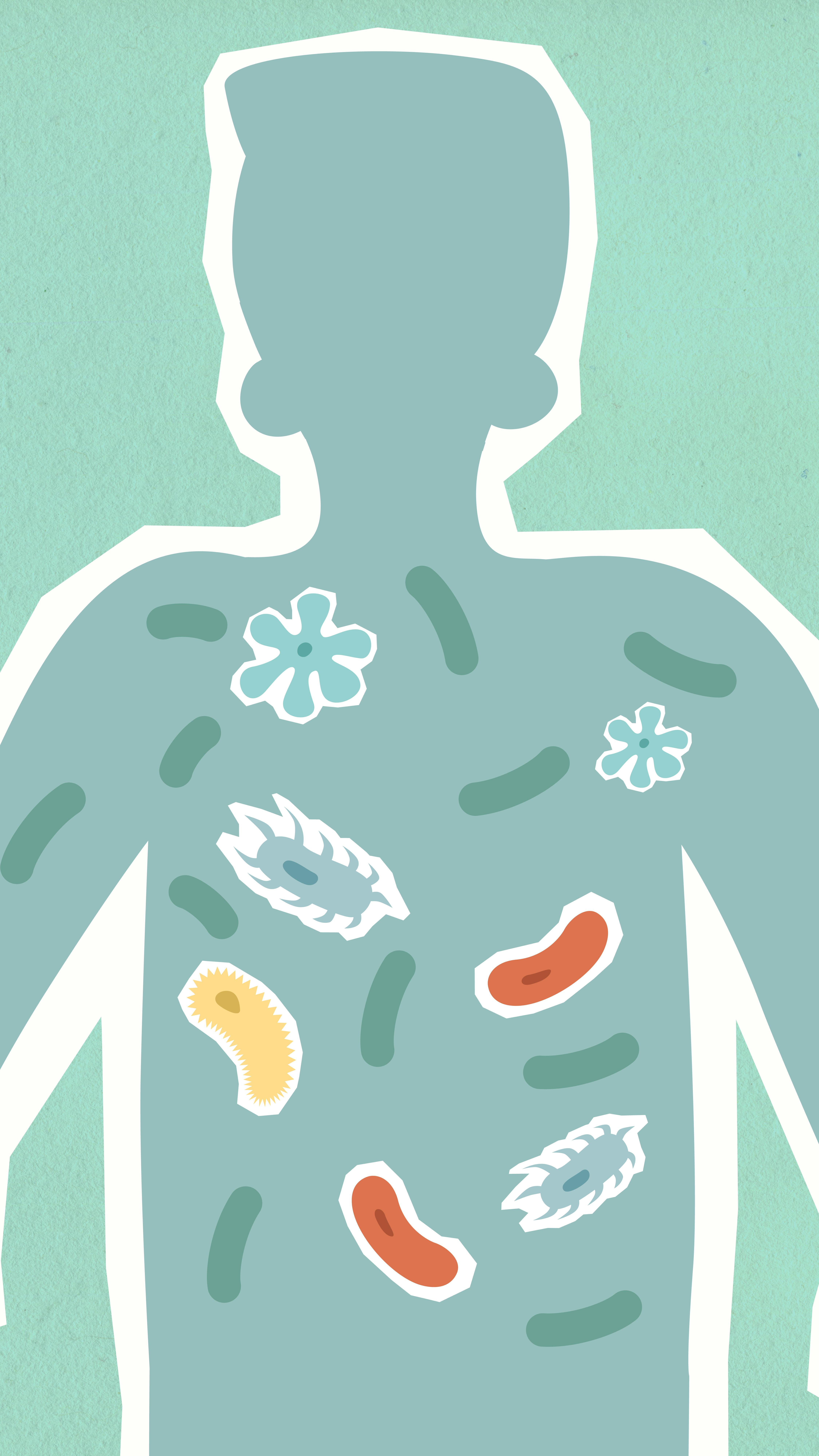 For many people, stress, anxiety, and low mood are daily challenges. Research increasingly points to the role of gut health and metabolic rhythm in supporting mental wellbeing. The foods we eat, when we eat them, and how we get them all influence the state of our nervous system and therefore our mental health.
Our gut microbiota – those trillions of microbes living in our digestive tract – play a vital role in the production and regulation of neurotransmitters like serotonin and dopamine. Diets rich in fibre, fruits and vegetables support a more diverse microbiome and increase the levels of bacteria that improve gut health and regulate mood. On the flip side, highly processed foods, sugary snacks, and irregular eating times reduce microbial diversity, increasing inflammation and contributing to mood swings, anxiety, and depression.
Frequent eating throughout the day, especially late at night, can interfere with our circadian rhythm – the body’s natural 24-hour cycle. Even when food quality is identical, the same meal causes a significantly higher blood sugar spike in the evening compared to the morning. This is a natural feature of the circadian rhythm embedded in our genes.
But there are ways to bring ourselves back into balance.
Fasting for Mental Health
 Approaches like Time-Restricted Eating or Intermittent Fasting give the body time to rest, repair and regulate. These eating patterns restore the metabolic switch – your body’s ability to move between burning sugar and fat. When this switch works efficiently, you’re more likely to maintain a healthy weight, manage stress, and support stable moods.
Intermittent fasting activates molecular pathways in muscle like those triggered by exercise, promoting autophagy (the body’s natural cellular recycling process), mitochondrial growth (increasing energy), and insulin sensitivity. All of these are essential for managing anxiety and building resilience to stress.
Eating earlier in the day, after physical activity, and with intention – rather than habit – can help realign our biology. When we create a rhythm to our meals, we mimic the patterns of our ancestors who ate after effort and in community, not in response to emotional impulses or availability.
Eating for Gut Health
 Small changes in diet shift gut health quickly – positively and negatively. Research shows that within 24–48 hours of a dietary change, the gut microbiome changes. By focusing on foods that support microbial diversity, we feed the bacteria that help regulate mood. Berries, tubers, honey, and meat are all foods rich in nutrients that support both body and brain.
Your nervous systems evolved in a world of rhythm: light and dark, hunger and fullness, rest and activity. Hypnotherapy can support a return to these natural patterns, not by enforcing a new rule book, but by helping you listen more deeply to the rhythms of your own body.
For some people, the changes begin with understanding how eating patterns affect your mood. For others, hypnotherapy helps unravel deeper habits of emotional eating, disconnection from hunger cues, or long-held beliefs about food and self-worth.
Food is never just food. It’s biology, emotion, memory, and survival. And when we learn to align our modern choices with ancient rhythms, we create space for both physical and mental healing.
 Welcome to my website, a space where I try to catch your eye, and explain the heart of my practice.
My journey over 16 years has taught me that true knowledge isn’t about the letters after my name or the timeline of my academic pursuits. It’s about the stories shared, the moments of vulnerability, and the human connection that transforms both you and me. It’s holding space, listening intently, and noticing the patterns within your words and emotions.
Together, we can navigate the complexities of life, embracing both the shadow and the light. So, if you’re seeking more than just a quick fix, and ready to make lasting changes, you’re in the right place. Let’s embark on this journey together. To overcome anxiety click and read more about my approach here.