

From Buffalo to Breakfast Cereal: Modern Diet and Your Nervous System
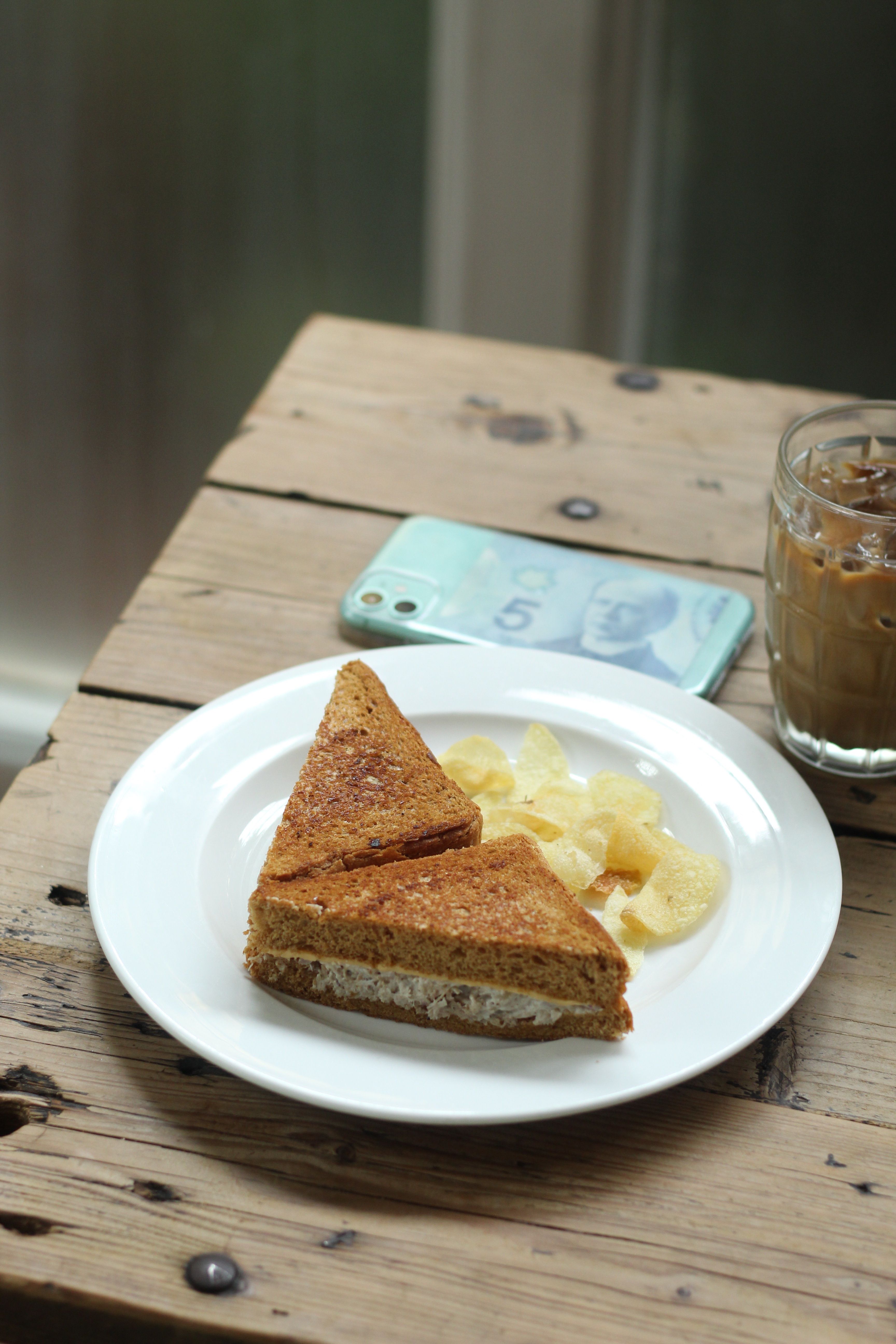 You eat lunch at your desk. A plastic-wrapped sandwich, a fizzy drink, a few crisps. You’ve filled the hole, but your body feels off – jittery, foggy, unsatisfied. What happened?
Could what we eat – and how we eat – keep us in a state of chronic stress?
The Diet Your Nervous System Still Expects
Even as recently as a few hundred years ago, North American tribes lived on buffalo meat, fat, and foraged foods. There was no individual mealtime. People ate when hungry, together. In Tanzania, the Hadzabe people still hunt and gather today. Yet 90% of our calories come from just a handful of species domesticated in the last 10,000 years. When we discovered fire, we changed how we ate. Cooked food fed bigger brains and smaller guts. But with farming came grains, and with industrialisation came convenience foods: heat-treated, shelf-stable, mass-produced. There is a myth that the agricultural revolution was a huge step in human progression, but these weren’t foods our bodies evolved with, and we’re still not there.
Humans living before the agricultural revolution had varied, stimulating lives full of purpose. Life was communal and effort shared. When humans became farmers, everything changed. Instead of our neighbours being our family, the fear of theft made them a threat. The natural movements the homo species evolved to make – traversing long distances on food to hunt and gather, building shelter on location, climbing to forage and unleashing bows or throwing to catch meat – became redundant. Instead, we cleared space for new crops, and rather than following the rains, carried water to feed plants and animals during the dry seasons. The main difference between us and the hunter gatherers is the variety and amounts of certain foods we eat. Most of the foods early humans consumed are hard to cultivate, so the main food source for early farmers was and still is wheat and other grains – a minor part of the hunter gatherer diet. Grains are poor in vitamins and minerals, hard to digest, and not great for the teeth and gums.
Recalibrating the Body Through Food
Modern food disrupts our microbiome, and the way we eat disrupts our nervous system. The sympathetic nervous system mobilises us to fight or flee. But if we’re eating hyper-processed, inflammatory foods while scrolling, commuting, or working, the body may never return to safety. The body expects to hunt and gather food – not simply walk to the fridge. The body expects to cook alongside others and feast in a celebratory communal way. According to polyvagal theory, digestion happens best in the ventral vagal state – calm, connected, safe. If we feel stress while eating, the body prioritises survival over digestion. Blood moves away from the gut. You may feel bloated, anxious, wired, or wiped out – all signs of dysregulation.
Three gentle ways to realign with how your body expects to eat
We can’t return to buffalo hunts and communal stews. But we can eat in a way that aligns closely with how our body expects to eat.
– Eat with presence – No screens, no multitasking. Just you, your food, and a few quiet moments.
– Eat in rhythm – Try to keep a loose structure. The nervous system finds safety in patterns.
– Eat in connection – When possible, share food. Even one meal a week eaten with someone else can shift how safe your body feels.
These small practices may seem simple, but for a dysregulated nervous system, they’re deeply powerful. In therapy, we often work with the body’s need for rhythm, safety, and nourishment through food. In my work, I help people reconnect with the body’s signals. We’ve long forgotten how to follow them, and this includes hunger, fullness, fear and safety. Anxiety, stress, and gut issues often share a root cause – a nervous system out of balance in a world we weren’t built for. Therapy can help you listen to your body again, so you can respond with compassion, rhythm, and nourishment.
 Welcome to my website, a space where I try to catch your eye, and explain the heart of my practice.
My journey over 16 years has taught me that true knowledge isn’t about the letters after my name or the timeline of my academic pursuits. It’s about the stories shared, the moments of vulnerability, and the human connection that transforms both you and me. It’s holding space, listening intently, and noticing the patterns within your words and emotions.
Together, we can navigate the complexities of life, embracing both the shadow and the light. So, if you’re seeking more than just a quick fix, and ready to make lasting changes, you’re in the right place. Let’s embark on this journey together. To overcome anxiety click and read more about my approach here.