

How You Can Use Sleep to Remedy Anxiety
 Sleep and anxiety are deeply connected. When you’re anxious, it’s harder to fall and stay asleep. But poor sleep also worsens anxiety. The good news? Improving your sleep is one of the most effective natural remedies for anxiety.
Let’s explore how to sleep better with anxiety – starting with what your body and brain need.
Sleep Is Essential for Mental and Emotional Health
Sleep is a basic biological function. Without enough of it – or without passing through all sleep stages – your brain and body struggle to cope. Poor sleep affects your mood, memory, immunity, hormone regulation, and metabolism.
When you don’t sleep well, cortisol (your stress hormone) rises. This disrupts emotional resilience and increases anxiety. But when you prioritise sleep, it becomes a tool to reset the nervous system and reduce those anxious thought loops.
Honour Your Circadian Rhythm
 Your circadian rhythm is your internal body clock. It controls your sleep-wake cycle and needs daily resetting. The best way to reset your clock is with early morning light exposure, especially the blue light in morning sunshine.
Simple ways to support your circadian rhythm:
- Open your curtains as soon as you wake.
- Go for a short walk outside in natural light during sunrise.
- Eat breakfast or drink something warm first thing.
- Avoid sunglasses early in the day (if safe).
Consistency is also key. Try to wake up and go to bed at the same time every day – even on weekends. This supports your body’s natural rhythms and reduces sleep-related anxiety.
Create a Bedtime Routine That Calms the Nervous System
An anxious brain sees sleep as a vulnerable state. A consistent, calming bedtime routine helps your nervous system feel safe enough to fall asleep.
Try this anxiety-friendly sleep routine:
- Turn off screens 1 hour before bed
- Dim the lights
- Drink a calming herbal tea or read a book
- End the day with a symbolic action (e.g. journaling, meditation, or lighting a candle)
This predictability lowers cortisol levels and increases melatonin – the hormone that signals it’s time to sleep.
Regulate Light Exposure in the Evening
 Unnatural lighting after sunset suppresses melatonin and confuses your body clock. One study showed that room light before bed delayed melatonin release in 99% of participants.
To help melatonin do its job:
- Avoid screens 1–2 hours before sleep
- Keep lighting dim in the evening
- Use blue light blocking glasses if needed
- Install blackout blinds in your bedroom
Support Sleep Through Food and Supplements
Tryptophan, an amino acid found in foods like turkey, nuts, and eggs, is the precursor for melatonin. Supporting melatonin and tryptophan naturally can make falling asleep easier.
Try these high-melatonin foods:
- Montmorency tart cherries
- Almonds and sunflower seeds
- Lentils and chickpeas
- Peppermint, fennel, thyme
- Extra virgin olive oil
Tip: As recommended by Dr. Ellen Vora, if you wake up anxious in the night, try a spoonful of almond butter or coconut oil. These healthy fats can prevent blood sugar crashes that trigger nighttime anxiety.
Try Body-Based Tools to Calm the Brain
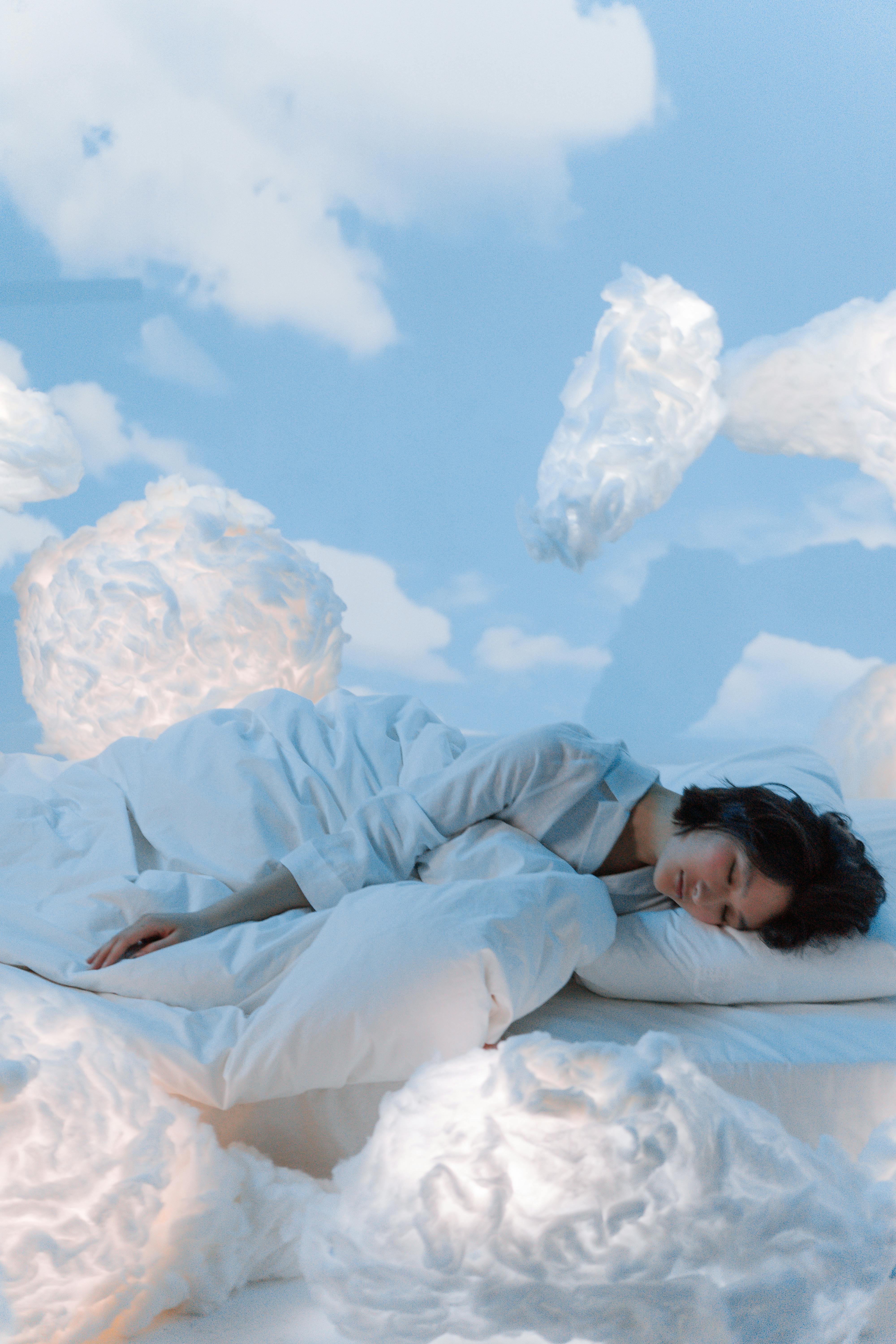 An anxious mind often hijacks sleep. If you’re lying awake at night, try tools that speak directly to the nervous system:
Box breathing: Inhale through your nose for a count of 4, hold for 4, exhale for 6–8, hold for 2.
Progressive muscle relaxation: Tense and release each muscle from the head to the toes.
Mental techniques: Thank your brain for the alert, tell yourself “I am safe right now, I am in control,” and focus your attention with calming visualisations (like walking down stairs or playing the alphabet game – naming foods/towns/counties etc from A to Z).
These tools work with your body’s stress response to create safety and invite sleep.
Make Your Bedroom Work for You
Create a sleep environment that’s cool, dark, and free of stimulation:
- Keep the room around 18.3°C (65°F)
- Use blackout blinds
- Avoid screens in the bedroom
- Make sure the space feels safe and comfortable
Your bedroom is for rest – not scrolling or stress.
Sleep as a Natural Remedy for Anxiety
Sleep is one of the most powerful natural remedies for anxiety. When you treat it as essential rather than optional, you allow your body to reset, your nervous system to regulate, and your emotional balance to return.
Start small. Wake with the sun. Dim the lights. Honour the rhythms your body evolved to follow. The path to calmer days often begins the night before.
Want more help managing anxiety naturally?
As a hypnotherapist, I work with clients to rebuild their relationship with sleep and ease the grip of anxiety from the inside out. Reach out if you’d like support tailored to your nervous system and lifestyle.
 Welcome to my website, a space where I try to catch your eye, and explain the heart of my practice.
My journey over 16 years has taught me that true knowledge isn’t about the letters after my name or the timeline of my academic pursuits. It’s about the stories shared, the moments of vulnerability, and the human connection that transforms both you and me. It’s holding space, listening intently, and noticing the patterns within your words and emotions.
Together, we can navigate the complexities of life, embracing both the shadow and the light. So, if you’re seeking more than just a quick fix, and ready to make lasting changes, you’re in the right place. Let’s embark on this journey together. To overcome anxiety click and read more about my approach here.