

Stress: Why Modern Life Feels Wrong – and what you can do about it
 Four and a half billion years of planet Earth, two and a half million years of homo, two hundred thousand years of homo sapiens, and approximately twelve thousand years since humans started to live out of alignment with nature.
Modern humans have existed for just 6% of Homo sapiens’ total time on Earth. We’ve had farming, technology, cities, and tech for a tiny sliver of our existence. As technology evolves exponentially around us, we’re evolving as naturally as ever – slowly!
Why we struggle now
Our brains evolved over two hundred thousand years to survive in a vastly different world. We are still wired for the challenges of a hunter-gatherer lifestyle, not 21st-century living.
Today, modern stressors keep the stress response switched on. Without the survival needs, we lack movement, nourishment, sleep, connection, and purpose. This leads to chronic dysregulation of the mind and body.
The body cannot complete the stress response as effectively in modern life, where most stressors are chronic, harder to resolve, and demand constant adaptation. This leads to negative effects on the body.
Stress and the environment
 The brain isn’t faulty – there is a mismatch in the environment.
In the short term, the stress response has a beneficial effect. It is a biological drive to motivate action and once an ancient ally. Today, it’s more often seen as the enemy.
You can enter this state of stress by thinking about work pressures, financial difficulties, relationship issues, or persistent health concerns. This impacts the body and can lead to nervous system dysregulation.
Modern life interrupts regulation
In a world where movement is optional, nourishment is processed, life disrupts sleep, purpose feels vague, and connection is fractured, our ancient systems keep firing. Additionally, face to face connection, for primitive humans, was essential for survival. The body still needs it.
Predictability in roles and routines creates a quiet sense of purpose. Someone gathers, someone tends the fire, someone sings the evening songs. Contribution was never grand; it was simply part of the rhythm of the day. Today, there is a disconnect in the rhythm. We work erratic hours, eat alone, scroll through the night, and try to squeeze in meaning wherever it fits.
Biology still expects ancient rhythms not modern stress
 To survive, it was crucial to form strong social bonds. Early humans achieved this through shared experiences, teamwork and vulnerability. In addition to presence and commitment to shared values.
While we are more connected than ever before, we are also more isolated. Technology allows us to communicate instantly with millions, but our biology is still designed for smaller, more intimate social groups.
Despite the dramatic shifts in our lifestyles, we remain fundamentally like those who lived in more natural, small-scale societies hundreds of thousands of years ago.
What you can do about it
You don’t need to go off-grid or live like a caveman to feel better. Small, intentional shifts that echo your evolutionary blueprint can help your nervous system feel safer, calmer, and regulated.
Movement: Move Like You Mean It
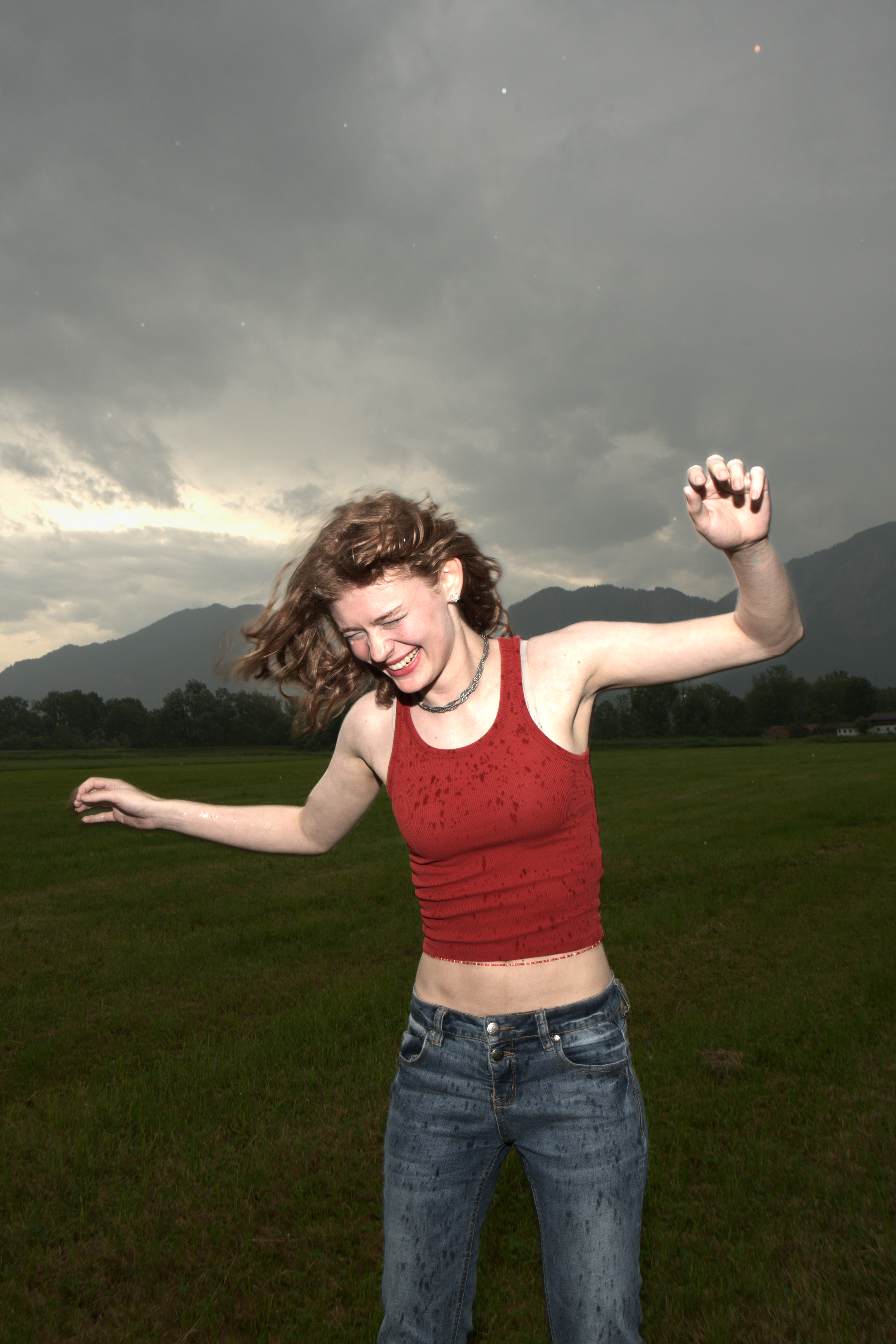 Move to feel alive in your body. To stimulate the endorphines. Forget the calories, the clothes size or the mirror, and move to regulate your nervous system, move to energise and feel good.
- Walk outside without your phone, letting your eyes wander into the distance.
- Stretch slowly in the morning, as if waking up in a forest.
- Dance to one song with no choreography, no plan, just instinct.
Nourishment: Feed the System That Feeds You
Your body evolved to eat naturally emerging plants and wild meat.
- Eat foods you recognise in their original form – a carrot, a handful of nuts, a boiled egg.
- Eat mindfully, eat without distraction, and consider all aspects of your food. The texture, smell, taste, feeling within your mouth. Take your time to chew the food. The body expects chewy, hard food. James Nestor explains in his book Breath that a lack of chewing causes the wonky teeth of modern humans.
- Add a new thing that grew from the ground to your plate each day.
Connection: Return to the Circle
Your biology still believes that connection equals safety.
- Speak to someone face-to-face today. It doesn’t need to be deep – a smile or shared laugh is enough.
- Tell one person how you feel.
- Gather with others regularly – simply for the act of being together.
Sleep: Honour the End of the Day
 Your nervous system loves rhythm. Sleep is one of the most powerful reset buttons you have.
- Dim the lights as the sun sets to alert your brain that the day is ending.
- Set a wind-down routine: a warm drink, a stretch, a few breaths.
- Avoid bright screens two hours before bed. Let darkness arrive inside and out.
Purpose: Be a Human Among Humans
Your ancestors didn’t strive for greatness. They contributed.
- Ask yourself: What small thing can I tend to today? A plant, a child, a friend, a space.
- Find one daily rhythm that grounds you. It might be making the same cup of tea at the same time each morning.
- Let your presence, not productivity, measure your worth.
 Welcome to my website, a space where I try to catch your eye, and explain the heart of my practice.
My journey over 16 years has taught me that true knowledge isn’t about the letters after my name or the timeline of my academic pursuits. It’s about the stories shared, the moments of vulnerability, and the human connection that transforms both you and me. It’s holding space, listening intently, and noticing the patterns within your words and emotions.
Together, we can navigate the complexities of life, embracing both the shadow and the light. So, if you’re seeking more than just a quick fix, and ready to make lasting changes, you’re in the right place. Let’s embark on this journey together. To overcome anxiety click and read more about my approach here.