

Stressed or Stretched? Knowing When Your Nervous System Is Over Capacity
 Stress is a normal process within the mammalian body. In appropriate circumstances, stress is beneficial. It nudges back onto the path of survival, at which point the stress dissipates. When stress is in response to a modern stressor, it is damaging. All stress is an important message from the body. We need to listen and respond.
The word stress originates from the Latin word stringere, meaning to draw tight or bind. Unsurprisingly, the Latin word distringere, means to draw apart or hinder. In the 14th century, English speakers used the word distress or its modified version, stress in reference to physical hardship or trial, and by the 16th century it indicated a form of physical injury. In the 17th century, Newtonian mechanics defined stress as the internal force or pressure within a material when it’s subjected to an external force.
Stress – as a combination of external forces and internal responses – first appeared in the work of William Shaw Mason in his Statistical Account of Ireland (1814–19). He said: “…die in their youth, of what they call stresses, that is violent heats from hard work”. Hans Selye solidified the term in the early 1900s at medical school. He noticed his patients (with different problems) all had common symptoms. Something he called syndrome of just being sick. As methods of research improve, we’re able to understand more.
The Difference Between Feeling Stress and Feeling Stretched
 In Ruth Allen’s beautiful book Weathering, she tells a story of taking a client to Curbar Edge and asking her to experiment with standing closer to a cliff side with a (small) drop off. The purpose of the exercise was to experiment with boundaries. I like to think of this as a metaphorical way to think of the difference between feeling stressed and stretched. Standing on the edge, there is a point where you feel uncomfortable, but within your window of tolerance. It’s hard, but feels meaningful or exciting. You feel challenged, but you bounce back, often full of confidence knowing that you’ve overcome a challenge. In this situation, there is a sense of control as you choose how far to push yourself. This describes the feeling of being stretched.
Then someone comes up behind you and moves you beyond this point. You may feel scattered, tired, irritable, anxious, or disconnected. You feel helpless and out of control – it has happened to you. Staying here could lead to burnout or breakdown.
This is the difference between feeling stretched and in a state of modern stress. To feel stretched is to feel challenged with capacity. When you feel challenged without capacity, you are stuck in a state of modern stress.
Feeling stretched is beneficial, it helps us progress and learn new things. Chronic, modern stress is damaging to our health. In the modern world, it is sometimes hard to make the required changes quickly, and it’s often the case that removing one stress means creating another. If you find yourself in chronic stress, there are some ways to help manage the situation to prevent burnout.
Hypnosis and Meditation to Calm the Body
When you use hypnosis, you take your body out of the physical state of stress. As your brain waves drop down into the slower levels – closer to sleep, your body moves into a calmer state.
Practising self-hypnosis or meditation daily helps your body relearn how to live without the feeling of constant alert. Even 15 minutes of quiet time, with eyes closed and focused breathing, can settle the fight-or-flight response and bring clarity back to the mind.
Progressive Relaxation to Reset the Nervous System
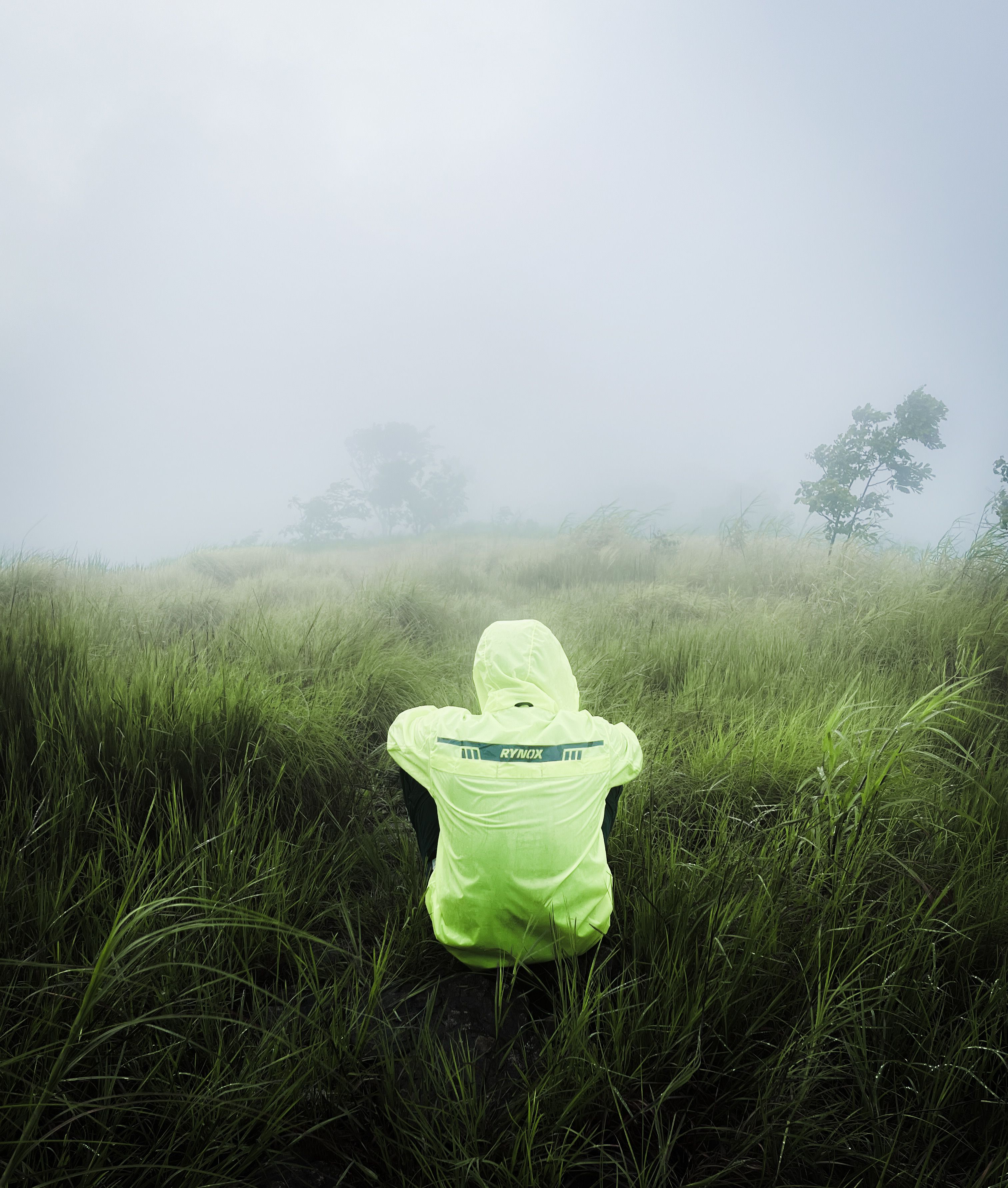 “I slowly take myself through each part of my body from the head down. It works well for me to ‘switch off’ each part of my body.”
Find a quiet space. Start at your head and gently bring awareness to each body part, noticing and releasing any tension. This technique helps down-regulate the stress response by activating the parasympathetic nervous system.
Visualise the Emotion – Then Let It Go
 When you’re feeling overwhelmed, try visualising the feeling as an object in your body. Notice its qualities, allow it to be there without judgement, then imagine removing it or letting it transform. This separates the feeling from your identity and gives you a sense of agency.
Anchor Calm Responses for Daily Resilience
Choose a signal (like a hand on your chest) and link it to a calming breath. Repeating this anchor regularly helps create a new response in moments of rising stress.
Create a Safe Place in Your Mind
Use guided visualisation to design a mental space where you feel safe, grounded, and free. The brain doesn’t distinguish between real and imagined safety – so this is a powerful way to restore calm when the outside world feels overwhelming.
 Welcome to my website, a space where I try to catch your eye, and explain the heart of my practice.
My journey over 16 years has taught me that true knowledge isn’t about the letters after my name or the timeline of my academic pursuits. It’s about the stories shared, the moments of vulnerability, and the human connection that transforms both you and me. It’s holding space, listening intently, and noticing the patterns within your words and emotions.
Together, we can navigate the complexities of life, embracing both the shadow and the light. So, if you’re seeking more than just a quick fix, and ready to make lasting changes, you’re in the right place. Let’s embark on this journey together. To overcome anxiety click and read more about my approach here.