

Addiction: A Battle of the Mind, Not Just the Substance
 The conventional view of addiction is a physical dependence on a substance. This is true, but it’s only half the story. When you battle addiction, it is a deep psychological struggle. Consider your everyday thoughts, choices and behaviours. Much of this is automatic. Reactions driven by something beyond your immediate control.
In his book Behave, Robert Sapolsky speaks about mitigated free will. He explains how our prenatal environment influences the function of our brain. The genes and hormones of our mother, the culture she lived in – authoritative or equal for example. What she ate for breakfast, whether she witnessed violence in childhood. All these things change the development of our brain in utero.
Separate, but additionally, is the homunculus in the control panel of the brain. The homunculus is within you making decisions. The homunculus considers external inputs, information from within, your physiology and your knowledge. Then, like AI, it reflects, deliberates, and makes a decision.
Biology, genetics, environment, and upbringing heavily influence your behaviour, which limits free will. We can make choices, but a complex web of biological and environmental factors deeply shapes those choices, mitigating free will. Many factors beyond our conscious control constrain and influence our ability to make truly autonomous decisions.
When working with addiction, I look beyond the physical addiction to find what shapes your choices and how you can use the snippets of free will you have to choose differently.
Understanding Addiction Beyond the Substance
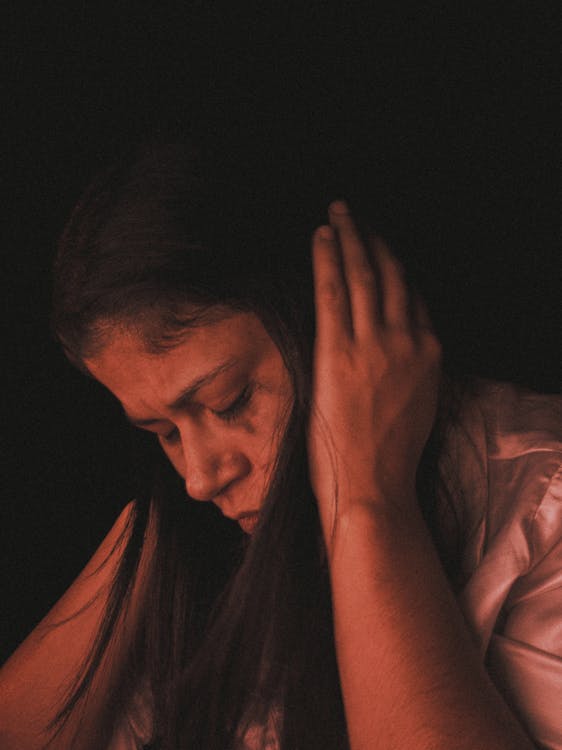 We all know, addiction doesn’t just happen. While substances are addictive, there’s almost certainly an underlying cause. Addiction often stems from unresolved emotional pain, trauma or mental health issues. This means both the mind and body contribute to the initiation and perpetuation of addiction.
Although some substances are physiologically addictive. Opioids and benzodiazepines, for example, many are not. Yet they feel it. Some substances, such as cocaine, caffeine and prescription stimulants, are mildly addictive physiologically, but withdrawal is milder and unlikely to need medical assistance. This feels irrelevant when there is a mental dependence. Regardless of whether your body reacts, you feel it react. Many people find overcoming mental dependence more challenging. However, with help it is possible.
Recovery as an Opportunity to Thrive
When we view recovery as a difficult process of overcoming addiction, it becomes about getting through it – surviving. But what if we redirect the focus to an opportunity to grow and thrive? To rediscover parts of yourself that you buried under layers of pain and numbness? Recovery opens the possibility of transformation, a way to step out of the shadows of your past and into the light of your potential. Recovery can become an ongoing journey of personal evolution and self-discovery.
Rediscovering your True Self through Recovery
When you lose touch with who you are through addiction, you forget what mattered to you before. Maybe life before was a challenge, and the only thing that did matter was your survival. Many people find the process of rediscovery incredibly powerful. You can peel back the layers to find your values, identity and sense of purpose to reconnect with the real person within.
Heal Holistically: Exploring the Mind, Body and Spirit
 The holistic model views us as a whole – mind, body and spirit. Whether your addiction is to a substance or behaviour, and whether that substance or behaviour is physiologically addictive, there is an interconnectedness to you. This means you can only heal through addressing all dimensions together.
In therapy sessions, we’ll explore the layers of your psyche – the root causes of your addiction, what it does for you, and slowly peel back the petals to reveal centre within. We’ll also ensure you’re considering your mental and emotional wellbeing through stress management and social connections. However, we’ll also need to ensure you meet your physical needs for nutrition, exercise and sleep.
Recovery is only possible when all parts of your life align. We need to look at the bigger picture to create harmony throughout your life – past, present and future. When I work with people in this way, we explore emotional needs to find ways to process unresolved pain and trauma. We look at your spiritual self to find purpose and meaning. We rebuild thought patterns, so you learn to understand and manage your emotions. This will help you shift your perspective on the world and find a place within it. We make recovery about nurturing all aspects of you.
Finding Empowerment: Regaining Control Over Your Life
 Addiction is controlling, it takes over your life, making every decision, every thought – it’s a priority in every part of your life. As you move through the stages of recovery, you start to regain control, which leads to empowerment. This transformation helps you reclaim your autonomy, so you can make choices from a place of true self awareness and strength.
Recovery is about breaking free from the patterns, thoughts and beliefs that hold you captive. When you reconnect with your true self and understand the forces that shaped your choices, you take back your power. The more you learn about your mind and how it works, the more you can shift your thinking and behaviours. As you recover, you unlock your full potential and discover that you can create a life that is fulfilling, purposeful, and truly yours.
 Welcome to my website, a space where I try to catch your eye, and explain the heart of my practice.
My journey over 16 years has taught me that true knowledge isn’t about the letters after my name or the timeline of my academic pursuits. It’s about the stories shared, the moments of vulnerability, and the human connection that transforms both you and me. It’s holding space, listening intently, and noticing the patterns within your words and emotions.
Together, we can navigate the complexities of life, embracing both the shadow and the light. So, if you’re seeking more than just a quick fix, and ready to make lasting changes, you’re in the right place. Let’s embark on this journey together. Read more about my approach here.