

How to Fall Asleep Faster & Stay Asleep: A Hypnotherapist’s Guide
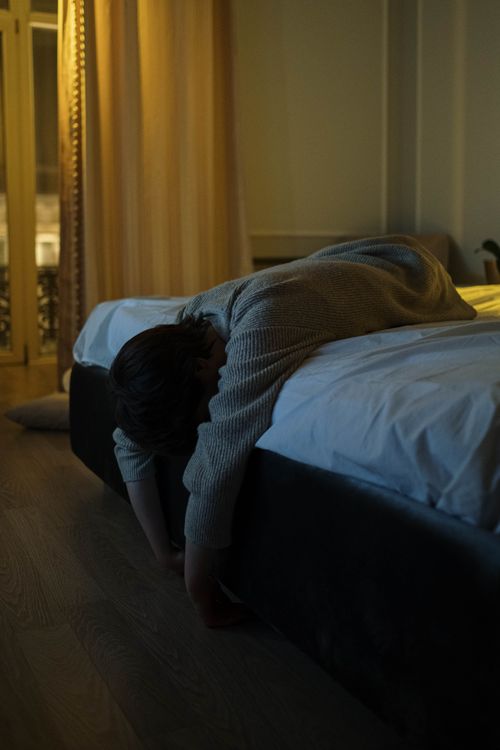 You check the clock – 2:47 AM. Again. You’ve tried everything: herbal teas, meditation apps, counting sheep. You feel like a walking zombie, sleeping only three out of seven days a week. You’re on the point of collapse…
If this sounds familiar, you’ll know that the impact of sleep deprivation is horrendous. It is so harmful, used as torture, breaking down psychological and physical resilience, and leading to severe cognitive impairment, hallucinations, emotional instability, and physical exhaustion.
Being the only person involved doesn’t make it any less torturous. A lack of sleep is more than frustrating, and it affects your cognition, potentially damaging your professional ability and personal life. It can also cause agitation and aggression, along with depression. A lack of sleep also hits your immune system, so in addition to feeling tired, you may feel worn down and out of sorts from continual bouts of illness.
Why Sleep Problems Happen
There are some common causes of insomnia, many of which our modern world exasperates. It’s unlikely that you’re broken – for most people, it is something within their lifestyle that causes the problem. Therefore, when I work with someone who struggles to sleep, I’m looking for the thing within their life that is causing the problem, rather than simply using hypnotic suggestions to try and mask a root cause. If you’re wondering how to fall asleep faster, there are a few common threads for you to look out for in your life:
 Screens and other sources of blue light are a major cause of sleep problems today. In places where torture exists, they may use light exposure – keeping bright lights on, for example, or regularly flashing lights. When you use bright lights close to bedtime, you’re torturing yourself. LED lights, screens, car headlights, and even streetlights emit high levels of blue light. You can read more about that here, but in a nutshell, blue light signals to your brain that it’s awake time. When your brain receives blue light, it releases the hormones that wake you up. A consistent input of darkness signals to your brain to release the hormones that switch you into the sleep state. Regardless of your conscious awareness and your human thinking brain, the primitive unconscious part of your brain is still in control.
- Your brain perceives stress as a signal to remain alert and awake. For the unconscious brain, sleep is a severely vulnerable state. In primitive times, stress meant death. There is a mechanism in your brain that prevents sleep when you’re in a state of stress to ensure your survival. Much like the difference between blue light from the sun and blue light from a phone screen, your brain cannot differentiate between the stress of a rival tribe on the other side of the river and the stress of an upcoming deadline at work. The response in your body is the same. Therefore, if your body is in a state of stress, it will try to keep you safe from harm. Part of that process is to prevent sleep.
- Poor nutrition can cause a state of stress, as does worry about something (anxiety), and PTSD, resulting in impeded sleep for the same reason as any other stress. Your hypnotherapist can help you with some healthy eating goals, so your body is in the optimum state for sleep. Hypnotherapy will help you resolve any past trauma or current anxiety. Click through to read more about hypnotherapy for trauma and hypnotherapy for anxiety.
How Hypnotherapy Helps You Sleep
 Hypnotherapy is about regaining control. For many people, the therapy part of hypnotherapy is more relevant than the hypnosis. When you pick a hypnotherapist with experience in your problem, they’ll be able to see the wood for the trees. They’ll pinpoint the changes that will make a life-changing difference instantly. If you need help with adaptations, hypnosis comes into its own. Many people find it easy to make the recommended changes and see instant improvement.
There are circumstances in which your lifestyle is not the problem. Sometimes unconscious patterns prevent deep rest. For example,
- A fear of letting go – some people resist sleep because they associate it with a loss of control. This is common for those with past trauma or who experience anxiety and chronic stress. Hypnotherapy will help you process the trauma or work through the anxiety / stress inducing problems, so you can relinquish control and fall into the sleep state.
- Sleep = Danger (past experiences) – previous experiences of fear during sleep may cause you to associate sleep with danger. For example, night terrors or sleep paralysis. A fear of the dark in childhood can linger, causing your primitive brain to associate sleep with danger. It may attempt to keep you safe by making you stay alert to the threat. Sleep hypnosis will help you let go of this unnecessary belief, so you can fall into a restful slumber.
- Limiting beliefs, for example, the self-story that you are a bad sleeper, or that you never get enough rest, reinforces the problem. The brain follows what it believes is true. The more you repeat these statements, the more the brain believes them. Even when your body feels tired, your brain refuses to shut down. Hypnotherapy for sleep will help you change your self-story, so you become someone who can and does sleep.
How to Fall Asleep Faster – 4 tips from a Hypnotherapist

Breathing Technique:
Your breath regulates your autonomic nervous system, the part of your body which controls involuntary functions like heart rate, digestion, and the balance between stress and relaxation. Your body activates the sympathetic nervous system during stress, danger or high alertness. It shuts down non-essential functions and puts you in a hypervigilant state (not sleep!). Your parasympathetic nervous system does the opposite. It lowers your heart rate and blood pressure. Helps with recovery, deep sleep and wellbeing. You can activate your parasympathetic nervous system through deep breathing.
Try some diaphragmatic breathing (belly breathing) to activate your parasympathetic nervous system.
Put your hand on your belly and inhale deeply through your nose, expanding the belly and feeling your hand rise.
Exhale slowly through your mouth, deflating your belly.
 Progressive Relaxation:
This is a simple way to release tension from your body. You can do this at any point, you have some spare time with peace and quiet. Ideally when you get into bed, if you’re struggling to sleep.
Get yourself into a relaxed position. Close your eyes and use the belly breathing outlined above.
Focus on your eyes – Gently tense the muscles around your eyes and forehead for 5 seconds, then release completely.
Move down through your body – Work your way down your body, tensing and releasing each muscle group:
✅ Face → ✅ Neck → ✅ Shoulders → ✅ Chest → ✅ Arms → ✅ Hands → ✅ Abdomen → ✅ Hips → ✅ Thighs → ✅ Calves → ✅ Feet → ✅ Toes
Hold each tension for 5 seconds before letting go. After relaxing every muscle, take a deep breath in, then exhale any remaining tension. Imagine sinking deeper into comfort with each breath. If thoughts arise, gently bring your focus back to your breath and the feeling of relaxation. Allow your body to feel heavy, calm, and at ease.

Visualisation Exercise:
A calming mental technique to invite sleep.
Close your eyes and imagine a warm, gentle wave washing over you, starting at your head and flowing down to your toes. With each breath, the wave carries away tension, leaving you lighter and more relaxed. Picture yourself sinking into a soft, safe place, surrounded by peace.
 Pre-Bedtime Self-Hypnosis Script:
A short phrase or mantra to repeat before sleep.
Silently repeat:
“With every breath, my body relaxes and my mind quiets.”
Use your diaphragmatic breathing, and every time your mind wanders, bring it back to your breath and your mantra.
Sleep deprivation isn’t just exhausting – it’s life-altering. Your body knows how to sleep, and together, we can get you back there.
With the right approach, restful nights can become your new normal. Hypnotherapy is about realigning the patterns that keep you awake. If you feel ready to stop struggling and start sleeping, book a session with me today.
 Welcome to my website, a space where I try to catch your eye, and explain the heart of my practice.
My journey over 16 years has taught me that true knowledge isn’t about the letters after my name or the timeline of my academic pursuits. It’s about the stories shared, the moments of vulnerability, and the human connection that transforms both you and me. It’s holding space, listening intently, and noticing the patterns within your words and emotions.
Together, we can navigate the complexities of life, embracing both the shadow and the light. So, if you’re seeking more than just a quick fix, and ready to make lasting changes, you’re in the right place. Let’s embark on this journey together. Read more about my approach here.