

3 Foods to Reduce Stress
In the early 1980s, the Japanese government led a national policy initiative to improve the health of its aging population and reduce healthcare costs. Throughout this initiative, they spoke about functional foods. In the early 1990s, Japan became the first country to establish a regulatory framework for these foods. Foods for Specified Health Uses (FOSHU) is a system for foods that include specific ingredients proven to offer health benefits. These foods have official approval to make claims about their physiological effects on the body. They are there for people who want to maintain or improve their health, or tackle specific concerns like managing blood pressure or cholesterol levels.

As part of the process, the researchers propose that food has three functions, in order of importance.
- Nutrition: this is essential to human survival.
- Sensory function: including flavour and texture to satisfy sensory needs.
- Physiological benefits such as regulation of biorhythms, control of aging, the immune system, and body defences.
Functional foods are those that meet a physiological benefit.
The Science Between Stress and Serotonin

- When the activity of serotonergic neurons in the brain decreases, it negatively affects mood and increases the risk of depression.
- Science shows that stress causes an increase in activity of serotonergic neurons in the brain – probably to cope and prevent stress-induced depression.
- Serotonergic activity is a process in which the body breaks down serotonin. Therefore, ongoing stress may lead to a low supply of serotonin, reducing the ability to cope and a lower mood.
- The precursor to serotonin is tryptophan. This means the body needs tryptophan to produce serotonin.
- Depletion of tryptophan in the body can increase depression in both healthy people and those with a prior history of depression.
Carbohydrate and Tryptophan
Research shows that carbohydrate rich, low protein meals increase the tryptophan levels in the brain, which increases the amount of serotonin released into the synapses.
Dietary carbohydrates increase the uptake of tryptophan in the brain because they trigger the release of insulin, which lowers the levels of other amino acids in the blood. These amino acids usually compete with tryptophan to cross into the brain, so their reduction allows tryptophan to pass through more easily. So, dietary carbohydrates, which lack tryptophan, increase tryptophan in the brain, while protein-rich foods fail to do so.
Carbohydrate Rich Foods

Carbohydrates doesn’t mean, pasta, bread and chips, however. Read on for some carbohydrate rich foods to reduce stress, nourish your body and increase your levels of serotonin without the negative effects of simple carbohydrates.
- Sweet potatoes are a nutrient rich food. They have large amounts of vitamin A, which helps keep your eyes healthy, boosts your immune system and increases reproductive health. They are high in fibre, so support digestion and prevent constipation, improving gut health. Sweet potatoes contain antioxidants like beta-carotene and anthocyanins, which help protect cells from damage and slow the signs of ageing. There is the belief that sweet potatoes help reduce the risk of cancer, manage type-2 diabetes, support brain and heart health, protect the liver, and even boost muscle mass.
- Lentils are full of nutrition with many health benefits. They are a good source of protein, which helps the whole body, muscles, bones, and skin. Due to their high fibre content, lentils can help lower cholesterol, prevent constipation, and reduce the risk of diabetes and colon cancer. The potassium found in lentils helps reduce blood pressure, while their folate content supports heart health and red blood cell formation.
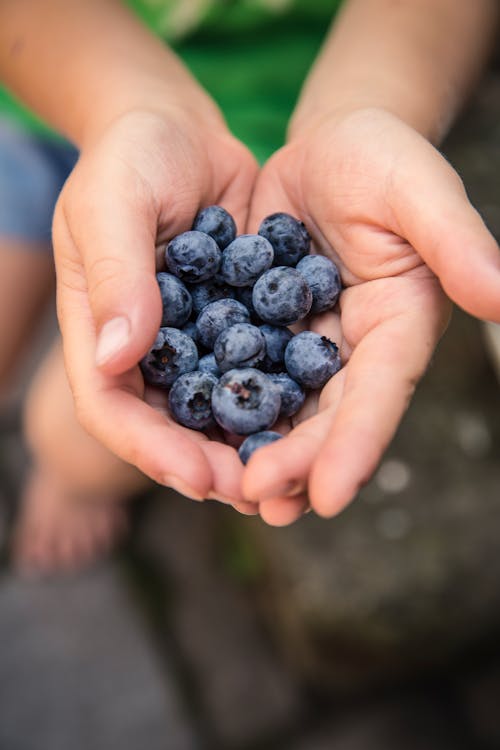
- Blueberries are rich in anthocyanins, which can lower the risk of cardiovascular disease and type 2 diabetes. They help improve memory and delay cognitive decline. Blueberries have an amazing ability to improve vascular and cerebral blood flow, which improves the health of both heart and brain. Blueberries can help you feel fuller for longer due to their high fibre and water content. They also have strong anti-inflammatory and antioxidant properties. Additionally, the high vitamin C content of blueberries helps boost the immune system.
 Nourishing Mind and Body
Including functional foods like sweet potatoes, lentils, and blueberries into your diet is a simple, yet effective way to use foods to reduce stress. These foods provide nutrients that help regulate serotonin levels, promote relaxation, and protect your overall health. By nourishing both your body and mind, these stress-reducing foods can improve your mood, boost your energy, and support your long-term wellbeing.
Klatsky, A.L., Armstrong, M.A. and Friedman, G.D. (1993) ‘Coffee, tea, and mortality’, Annals of Epidemiology, 3(4), pp. 375–381. doi:10.1016/1047-2797(93)90064-b.
Takeda, E. et al. (2004) ‘Stress control and human nutrition’, The Journal of Medical Investigation, 51(3–4), pp. 139–145. doi:10.2152/jmi.51.139.
 Welcome to my website, a space where I try to catch your eye, and explain the heart of my practice.
My journey over 16 years has taught me that true knowledge isn’t about the letters after my name or the timeline of my academic pursuits. It’s about the stories shared, the moments of vulnerability, and the human connection that transforms both you and me. It’s holding space, listening intently, and noticing the patterns within your words and emotions.
Together, we can navigate the complexities of life, embracing both the shadow and the light. So, if you’re seeking more than just a quick fix, and ready to make lasting changes, you’re in the right place. Let’s embark on this journey together. Read more about my approach here.