

Making Time for Mindfulness
 I have a love hate relationship with the just stop it culture. I love it because it’s so funny, and hate it because it’s so impossible. If you don’t know what I mean about the just stop it culture, I’m referring to the self help guide / therapist / friend whose best bit of advice is to stop it. Just stop it. It reminds me of a conversation I had with a colleague who wants to take their work into corporate environments. Sick of the tick box exercises they see, where people are simply told to “have positive thoughts”. And that’ll fix everything, said no one ever!
Helping yourself move into a more positive mindset requires commitment to regular practise. It takes more than positive thoughts to achieve real change. How though, with the busyness of daily life and multiple responsibilities, do you do this without feeling overwhelmed?
What is Mindfulness?
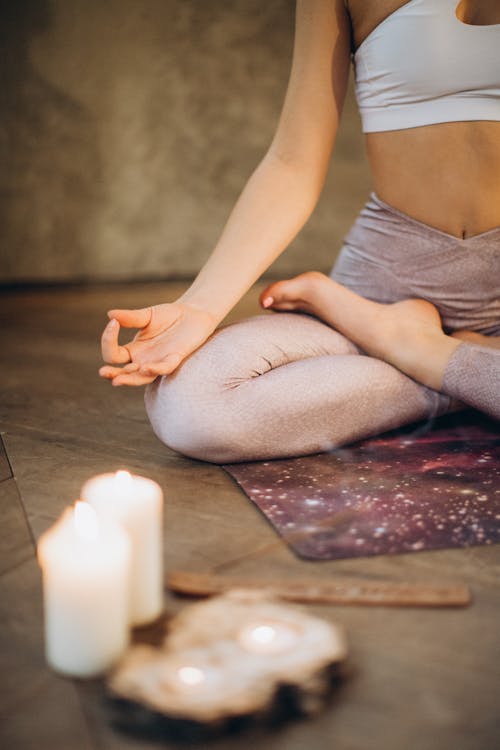 Mindfulness, as defined by Jon Kabat-Zinn, is “the awareness that arises by paying attention in the present moment, non-judgmentally.” This state of being is not meditation itself, but a mindset achieved with meditation and other practices. Its roots trace back to Buddhist teachings, which describe mindfulness (sati) as a state of mind to cultivate throughout daily life, not only during formal meditation.
In 1979, Kabat-Zinn developed Mindfulness-Based Stress Reduction (MBSR), emphasising mindfulness as open, non-judgmental acceptance developed through the senses. He believes mindfulness allows us to move beyond constant distractions and live fully in the present moment.
The Buddha’s teachings in the Satipatthana Sutta detail exercises for observing the body, emotions, and thoughts to cultivate mindfulness. By focusing attention with intention, mindfulness liberates us from stress and judgment, empowering us to embrace authenticity and relational awareness in every moment.
Why is Making Time for Mindfulness Important?
Mindfulness enhances well-being, as well as physical and mental health. It is a way of life, characterised by a continuous state of presence and awareness. Living mindfully means staying anchored in the present moment, fully attuned to what is happening around and within you. It involves observing your thoughts and emotions with clarity, and without judgment or distraction.
 Mindfulness helps you have supreme self-awareness. You’re probably familiar with the word ‘triggers’. Your triggers are things that spark a strong emotional reaction. They often stem from past experiences or unresolved feelings. They can bring up intense emotions or memories, leading to reactions that are more about your emotional past than the present moment. When you practice mindfulness, you learn to observe curiously, rather than react without thought. If a strong emotion arises, you will have the power to sit with it and consider where it’s come from, what it means, and whether you want to do anything about it.
Mindfulness eliminates noise in the mind, so you can focus on the present moment. You’ll be able to reduce the mental clutter that leads to stress. By practising mindfulness, you can approach challenges with a clear mind, leading to a more productive life.
Mindfulness is a form of mind training. By training your mind to stay present, mindfulness improves concentration and reduces distractions. This leads to better decision-making and increased efficiency in daily tasks, helping you feel more accomplished and in control.
Simple Ways to Incorporate Mindfulness Daily
Mindful Morning Routine
 When you wake in the morning, set a two-minute timer to bring awareness to your body. Breathe deeply and consciously into your abdomen.
Take 10 minutes each morning to sit with yourself. You may enjoy a drink and journal while you sit, but exclude distractions. No books, magazines, podcasts or TV.
When you clean your teeth, make it a mindful activity. Notice the different sensations, tastes and feelings.
Take Mindful Pauses
Set a reminder on your phone to pause for 5 minutes every hour. If you have more time in your life, make it ten or fifteen minutes. If you have less, reduce it to two. Follow the same rules as in the morning. Sit with yourself for a moment each hour.
Mindful Stretching
Exercise is a huge part of wellbeing; stretching is an important part of this that many people forget. At the end of your exercise routine, include a fifteen-minute stretch. Do this without distraction. Focus on how it feels to stretch out those muscles, make your movements slow and considered. How do you feel inside of you?

End-of-Day Reflection
At the end of each day, switch any devices off two hours before bed to give yourself a break from the blue light and external pressure. Prioritise at least eight hours sleep opportunity, but before you get there, spend some time reflecting on your day. What triggered you? When did you feel full of emotion? Was it positive or did it feel uncomfortable? Did you live in alignment with your values today – how does that feel? Bring consciousness into the end of your day to improve your introspective skills and foster a feeling of calm before sleep.
Welcome to my website, a space where I try to catch your eye, and explain the heart of my practice.
My journey over 16 years has taught me that true knowledge isn’t about the letters after my name or the timeline of my academic pursuits. It’s about the stories shared, the moments of vulnerability, and the human connection that transforms both you and me. It’s holding space, listening intently, and noticing the patterns within your words and emotions.
Together, we can navigate the complexities of life, embracing both the shadow and the light. So, if you’re seeking more than just a quick fix, and ready to make lasting changes, you’re in the right place. Let’s embark on this journey together. Read more about my approach here.